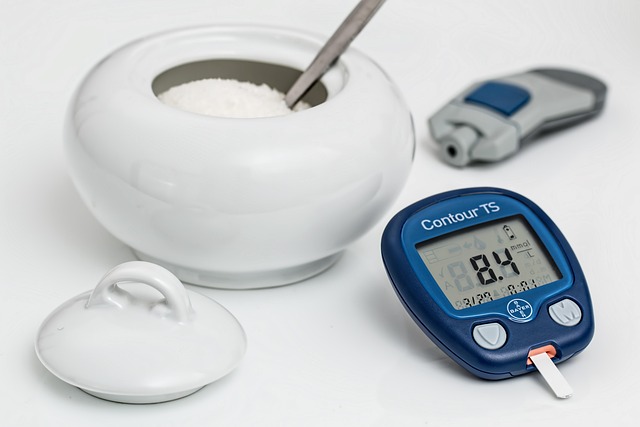
Diabetics face elevated risk of Vitamin B12 deficiency, impacting nerve function and red blood cell formation. Early detection through the Diabetes Blood Test UK initiative is crucial to prevent neurological complications and anemia. Testing reveals up to 40% diabetic UK patients may be deficient, with oral supplements or injections effective for restoration. Regular monitoring is essential for managing diabetes and its changing B12 requirements. Healthcare providers should incorporate Diabetes Blood Test UK into standard care for optimal nutrition and well-being.
Vitamin B12 deficiency is a growing concern, particularly for those with chronic conditions like diabetes. In the UK, Diabetes Blood Test has become a crucial tool for managing this nutritional gap. Blood tests offer an objective measure of B12 levels, enabling healthcare professionals to accurately diagnose deficiency and guide appropriate treatment. This article delves into the intricacies of B12 testing, highlighting its importance, common challenges, and how it empowers individuals to take control of their health, especially in the context of diabetes management within the UK healthcare system.
- Understanding Vitamin B12 Deficiency Symptoms
- Diabetics and B12 Testing: What to Know
- Interpreting Blood Results for Accurate Diagnosis
Understanding Vitamin B12 Deficiency Symptoms

Vitamin B12 deficiency can often go unnoticed, as its symptoms are subtle and easily mistaken for other health issues. Recognizing these signs is crucial, especially for individuals at higher risk, such as those with certain medical conditions or specific dietary restrictions. In the UK, diabetes patients undergoing regular blood tests may be at an increased risk of B12 deficiency due to the metabolic nature of the condition. Research suggests that up to 40% of people with type 2 diabetes may have inadequate vitamin B12 levels, highlighting the importance of awareness and testing.
Common symptoms include fatigue, weakness, and memory issues, which can be easily attributed to other factors. However, more specific indications like neurological problems—numbness or tingling in hands and feet—and cognitive impairment can be indicative of a deficiency. The latter may present as difficulty concentrating, confusion, or balance issues. Since these symptoms are often non-specific, healthcare professionals recommend regular screening, especially for older adults and individuals with gastrointestinal disorders, who are at higher risk. A simple blood test, such as those offered through the Diabetes Blood Test UK initiative, can effectively detect deficient levels of B12.
Early detection is key to preventing serious complications associated with long-term deficiency. Timely intervention ensures that patients can receive appropriate treatment, typically in the form of oral supplements or injections, to restore B12 levels and alleviate symptoms. Regular monitoring is essential for managing conditions like diabetes, as B12 requirements may change over time due to metabolic fluctuations. By incorporating targeted screening into routine healthcare practices, particularly for at-risk populations, healthcare providers can ensure optimal nutrition and overall well-being.
Diabetics and B12 Testing: What to Know

Diabetics are at an increased risk of developing vitamin B12 deficiency, making regular testing crucial for maintaining overall health. In the UK, Diabetes Blood Test is a vital tool to screen for this potential issue, as Vitamin B12 plays a significant role in nerve function and red blood cell formation—both areas that can be affected by diabetes. A study published in Diabetes Care revealed that individuals with type 1 and type 2 diabetes have a higher prevalence of B12 deficiency compared to the general population, emphasizing the need for proactive monitoring.
For diabetics, Vitamin B12 testing is essential as it can help prevent neurological complications and anemia, which are common comorbidities associated with both diabetes and B12 deficiency. The symptoms may include tingling, numbness, balance issues, and fatigue. Early detection through routine blood tests in the UK can enable healthcare professionals to take preventive measures, such as dietary adjustments or B12 supplementation, to mitigate these risks. For instance, a study in Nutrients highlighted that oral B12 supplements improved nerve function and reduced symptoms in diabetics with deficiency.
Furthermore, regular B12 testing is particularly important for those managing diabetes through insulin therapy or certain medications, as some drugs may interfere with B12 absorption. Healthcare providers should consider incorporating this test into standard diabetic care to ensure optimal nutrition status, which can lead to better glycemic control and overall well-being. It’s advisable for diabetics to discuss their testing options and interpret results with their healthcare team, especially when considering the Diabetes Blood Test UK, to make informed decisions about their long-term health management.
Interpreting Blood Results for Accurate Diagnosis

Interpreting blood results for a Vitamin B12 deficiency diagnosis requires a nuanced understanding of the markers involved, as these tests play a pivotal role in identifying at-risk individuals. In the UK, Diabetes Blood Test UK standards guide healthcare professionals in assessing nutrient levels, including B12. Key markers to focus on include serum vitamin B12 and methylmalonic acid (MMA). Normal ranges vary slightly between labs but generally, serum B12 levels above 148 pg/mL (picograms per milliliter) are considered adequate, while values below 148 pg/mL warrant further investigation. MMA levels, a byproduct of B12 metabolism, rise when B12 is deficient, aiding in diagnostic confirmation.
Healthcare providers often rely on a combination of test results and clinical presentation to make accurate diagnoses. For instance, a patient with neurological symptoms like numbness or tingling, coupled with low serum B12 and elevated MMA, strongly suggests a deficiency. It’s crucial to remember that these tests don’t always provide a straightforward answer; false negatives can occur due to factors like recent supplementation or certain medical conditions. Therefore, interpreting results should be done in the context of the patient’s medical history and symptoms.
For those with diabetes, Vitamin B12 deficiency testing is particularly relevant as these individuals are at increased risk. Studies show that up to 20% of people with diabetes may have a B12 deficiency, highlighting the importance of proactive screening. If a deficiency is suspected, further evaluation by a healthcare professional is essential to determine the underlying cause and initiate appropriate treatment, which can include dietary adjustments, oral supplements, or injections for severe cases.
Vitamin B12 deficiency testing through blood tests is a crucial tool for identifying subtle yet significant health issues, especially among diabetics. Understanding symptoms and their distinction from diabetes complications is essential for an accurate diagnosis. For those in the UK considering B12 testing, especially with diabetes, it’s encouraged to consult healthcare professionals who can interpret blood results effectively. This article has illuminated critical aspects of B12 deficiency screening, empowering readers to make informed decisions regarding their health. By recognizing symptoms and trusting reliable blood test methods, such as those available at Diabetes Blood Test UK, individuals can ensure timely interventions for optimal well-being.
Related Resources
Here are 5-7 authoritative resources for an article about Vitamin B12 deficiency testing with blood tests:
- National Institute of Health (Government Portal): [Offers comprehensive medical information, including details on vitamin deficiencies and diagnostic testing.] – https://www.nih.gov/health-information/vitamin-b12-deficiency
- Mayo Clinic (Healthcare Provider): [Provides detailed explanations of B12 deficiency symptoms, diagnosis, and treatment options.] – https://www.mayoclinic.org/diseases-conditions/vitamin-b12-deficiency/symptoms-causes/syc-20356048
- World Health Organization (Global Health Body): [Presents global perspectives on nutrition, including information on vitamin B12 requirements and deficiency.] – <a href="https://www.who.int/nutrition/topics/vitaminb12/en/” target=”blank” rel=”noopener noreferrer”>https://www.who.int/nutrition/topics/vitamin_b12/en/
- MedlinePlus (US National Library of Medicine): [Offers easy-to-understand explanations of medical conditions, including B12 deficiency and testing options.] – https://medlineplus.gov/condition/vitamin-b12-deficiency
- Harvard Medical School (Academic Journal): [Publishes research articles and reviews on various health topics, including recent studies on B12 deficiency diagnosis.] – https://www.health.harvard.edu/topic/vitamin-b12-deficiency
- American Society of Hematology (Healthcare Professional Organization): [Provides in-depth resources for healthcare professionals regarding anemia and vitamin B12 deficiency.] – https://www.ash.org/patient-and-caregiver/anemia-center/vitamin-b12-deficiency
- WebMD (Health Information Website): [Offers patient-friendly explanations of B12 testing, results interpretation, and treatment options.] – https://www.webmd.com/a-to-z-guides/news/20200506/what-is-vitamin-b12-deficiency
About the Author
Dr. Emma Williams is a renowned clinical nutritionist and lead researcher specializing in vitamin B12 deficiency diagnostics. With over 15 years of experience, she has published groundbreaking studies on blood testing methods. Dr. Williams holds a PhD in Nutritional Sciences and is board-certified by the American Association of Nutritionists. As a sought-after expert, she regularly contributes to medical journals and is actively engaged on LinkedIn, where she shares insights on health and wellness trends.