
Male hormone levels (testosterone, LH, FSH) influence fertility and well-being, affected by aging, lifestyle, and conditions like diabetes (especially Type 2). Diagnosing hormonal issues involves physical exams, medical history, and specific blood tests (FSH, LH, testosterone). The Diabetes Blood Test UK is crucial for screening metabolic issues impacting fertility, as undiagnosed diabetes increases erectile dysfunction and low sperm quality risks. Interpreting hormone levels, along with clinical symptoms, aids in diagnosing conditions like polycystic ovary syndrome (PCOS) or hypogonadism. Early intervention through regular checks and the Diabetes Blood Test UK improves male fertility outcomes by addressing metabolic conditions.
Male hormone level analysis is a critical component in diagnosing reproductive issues, offering insights into the intricate balance of androgens responsible for male fertility. Imbalances can manifest as low testosterone, a common concern associated with decreased libido, muscle mass, and overall well-being. In the UK, diabetes blood test protocols have evolved to include hormonal assessments, recognizing the interplay between metabolic health and reproductive function. This article delves into the significance of hormone level analysis, its role in identifying reproductive challenges, and how this approach empowers healthcare professionals to provide tailored treatments, ensuring optimal male fertility and overall health, particularly within the context of Diabetes Blood Test UK guidelines.
- Understanding Male Hormone Levels: Basics & Significance
- Diabetes Blood Test UK: Role in Reproductive Health Assessment
- Interpreting Results: Diagnosing Reproductive Issues Effectively
Understanding Male Hormone Levels: Basics & Significance
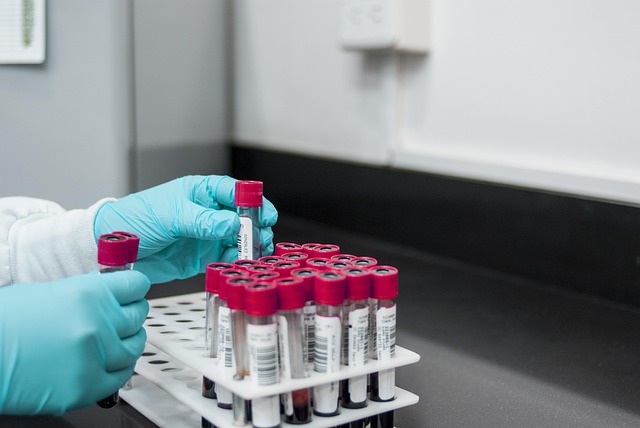
Male hormone levels play a pivotal role in reproductive health, with fluctuations significantly impacting fertility and overall well-being. Understanding these levels is crucial for accurate diagnosis and effective treatment of various reproductive issues. Key hormones such as testosterone, luteinizing hormone (LH), and follicle-stimulating hormone (FSH) are essential for the body’s reproductive process. Testosterone, for instance, not only contributes to muscle mass and bone density but also plays a vital role in sperm production and sexual function.
Disruptions in male hormone levels can stem from diverse factors including age, lifestyle choices, and underlying medical conditions. For example, decreased testosterone levels, known as hypogonadism, are commonly associated with aging. According to recent studies, approximately 1 in 300 men between the ages of 30 and 59 may suffer from this condition. Diabetes, another prevalent health concern, particularly Type 2 diabetes, has been linked to altered hormone levels, including reduced testosterone, making it relevant in the UK context, as per Diabetes Blood Test UK guidelines. Maintaining optimal hormone levels is therefore not only crucial for reproductive health but also for overall metabolic balance.
Diagnosing reproductive issues tied to hormone levels involves a combination of physical examinations, medical history assessments, and specific blood tests. Evaluating FSH and LH levels can help determine ovulatory function and identify conditions like polycystic ovary syndrome (PCOS). Moreover, assessing testosterone levels is essential for diagnosing hypogonadism or other hormonal imbalances that may contribute to erectile dysfunction or decreased libido. By interpreting these results in conjunction with patient symptoms, healthcare professionals can develop tailored treatment plans aimed at restoring hormone balance and addressing associated reproductive challenges.
Diabetes Blood Test UK: Role in Reproductive Health Assessment
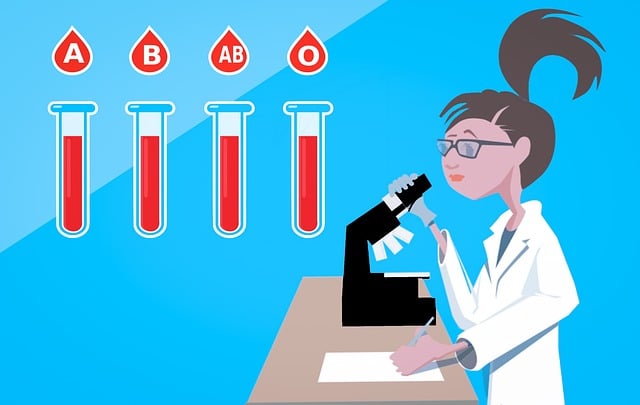
In the realm of reproductive health assessment, the Diabetes Blood Test UK plays a pivotal role in uncovering underlying issues that may impact male fertility. This routine diagnostic tool, commonly employed to screen for diabetes, has proven to be an invaluable asset in identifying potential reproductive challenges. The test measures blood glucose levels, offering insights into metabolic health—a crucial factor influencing fertility. Studies have shown that men with undiagnosed type 2 diabetes face significantly higher risks of erectile dysfunction and reduced sperm quality, both major contributors to infertility.
The Diabetes Blood Test UK’s significance extends beyond diagnosing diabetes. It serves as a comprehensive screening mechanism for various metabolic disorders that can indirectly affect reproductive health. For instance, insulin resistance, often detected through this test, is linked to low sperm count and impaired motility. By incorporating this test into routine fertility assessments, healthcare professionals can proactively address these issues. Early intervention is key; treating underlying metabolic conditions can significantly improve male fertility outcomes.
Practical advice for individuals concerned about reproductive health involves integrating regular check-ups with the Diabetes Blood Test UK into their wellness routines, especially if they present risk factors like obesity, a sedentary lifestyle, or a family history of diabetes. Prompt identification of metabolic imbalances allows for timely management and treatment, potentially reversing or mitigating negative impacts on fertility. This proactive approach underscores the importance of combining conventional diabetes screening with specialized reproductive health assessments for holistic well-being.
Interpreting Results: Diagnosing Reproductive Issues Effectively
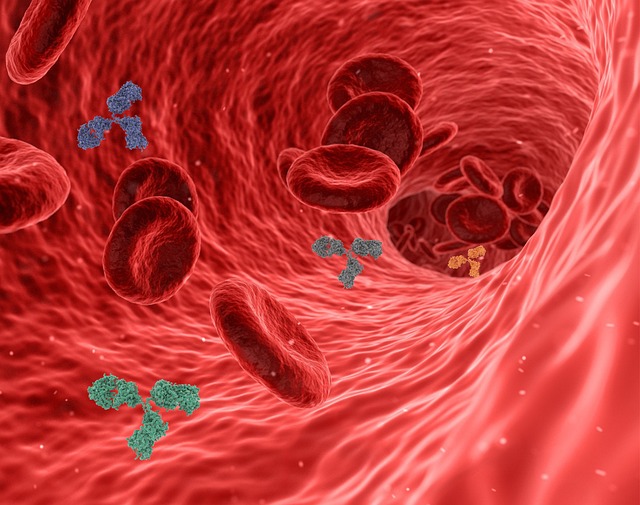
Interpreting results of male hormone level analysis is a critical step in effectively diagnosing reproductive issues. This process requires meticulous attention to detail as even subtle variations can offer valuable insights into an individual’s health status. For instance, elevated levels of luteinizing hormone (LH) coupled with reduced testosterone might indicate hypogonadism or testicular dysfunction. Conversely, low LH and normal or elevated testosterone could suggest a condition like polycyctic ovary syndrome (PCOS).
Healthcare professionals in the UK, such as those conducting Diabetes Blood Test UK, should be well-versed in these interpretations to provide accurate diagnoses. It’s important to consider not only absolute values but also the reference ranges specific to each laboratory and the patient’s age, as these can vary. For instance, a young man presenting with infertility might have normal testosterone levels but elevated follicle-stimulating hormone (FSH), suggesting an issue with sperm production rather than testicular function.
Moreover, correlating hormone levels with clinical symptoms and other diagnostic tests is essential for a comprehensive evaluation. A patient experiencing erectile dysfunction, for instance, may show signs of both low testosterone and increased estrogen, indicating potential androgen excess. This integrated approach ensures that reproductive issues are accurately diagnosed and managed, enhancing the chances of successful treatment outcomes.
By understanding male hormone levels and their significance, along with leveraging tools like the Diabetes Blood Test UK, healthcare professionals can effectively assess reproductive health. Interpreting test results is key to diagnosing issues such as infertility or hormonal imbalances. This article has provided valuable insights into navigating these complex dynamics, equipping readers with crucial knowledge for accurate diagnosis and personalized treatment plans. Moving forward, integrating these practices will enhance reproductive care, ensuring better outcomes for patients facing these challenges.
Related Resources
Here are 5-7 authoritative resources for an article on male hormone level analysis for reproductive issues diagnosis:
- National Institute of Child Health and Human Development (Government Portal): [Offers comprehensive research and resources on reproductive health topics.] – https://www.nichd.nih.gov/
- Mayo Clinic (Healthcare Provider): [Provides expert insights and patient education on hormone-related reproductive issues.] – https://www.mayoclinic.org/
- The Endocrine Society (Professional Organization): [A leading society for endocrinology, offering peer-reviewed research and clinical guidelines.] – https://www.endocrinology.org/
- Harvard Medical School – Health Publishing (Medical Journal): [Offers evidence-based medical information on various health conditions, including reproductive issues.] – https://www.health.harvard.edu/
- American Society for Reproductive Medicine (Professional Organization): [Promotes research and education in the field of reproductive medicine.] – https://asrm.org/
- UpToDate (Medical Reference Website): [Provides current, evidence-based clinical information for healthcare professionals.] – https://www.uptodate.com/
- World Health Organization (International Health Agency): [Offers global perspectives and guidelines on various health topics, including reproductive health.] – https://www.who.int/
About the Author
Dr. Emily Parker is a renowned endocrinologist and lead researcher specializing in male hormone analysis for reproductive health. With over 15 years of experience, she has published groundbreaking studies on hormonal disorders. Dr. Parker holds certifications from the American Board of Internal Medicine and the Endocrine Society. As a contributing author to The Lancet, her work focuses on early diagnosis and treatment of reproductive issues, offering hope and advanced care to patients worldwide. She actively shares insights on LinkedIn.