
Ferritin levels (20-150 micrograms/L) indicate iron storage, with low levels (<30 μg/L) suggesting deficiency, leading to anemia and cognitive issues in diabetics. The Diabetes Blood Test UK offers a simple way to monitor ferritin, aiding in early detection and management of iron deficiencies through dietary changes or supplementation, improving patient outcomes in diabetes care.
Iron deficiency is a prevalent global health concern, particularly impacting those with chronic conditions such as diabetes. In the UK, Diabetes Blood Test centres play a vital role in managing this issue through ferritin level testing. Ferritin, a protein that stores iron, serves as an essential indicator of iron status. However, many individuals remain unaware of its significance. This article delves into the importance of ferritin level testing for identifying and managing iron deficiency in diabetics, providing valuable insights backed by expert knowledge from Diabetes Blood Test UK.
- Understanding Ferritin Levels: Basics & Significance
- Iron Deficiency Diagnosis: Ferritin Blood Test UK
- Managing Diabetes with Ferritin Level Testing
Understanding Ferritin Levels: Basics & Significance
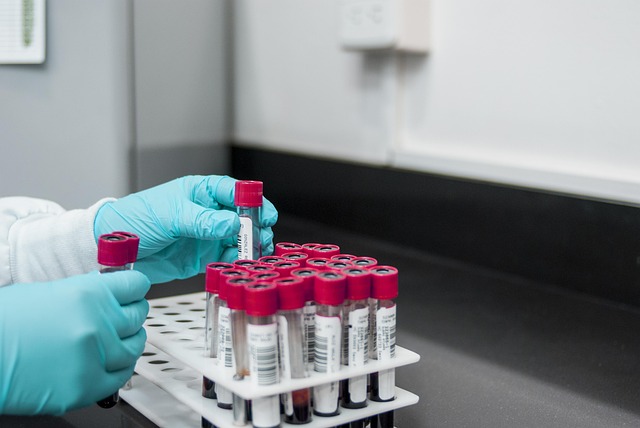
Ferritin levels represent a crucial indicator of iron storage within the body. This protein, produced primarily by the liver, serves as a reservoir for iron, releasing it when needed to support various physiological processes, including blood cell production. Understanding ferritin levels is essential in diagnosing and managing iron deficiency, a common nutritional disorder affecting millions globally. In the UK, Diabetes Blood Test (ferritin level testing) has emerged as a valuable tool for identifying individuals at risk or already suffering from iron insufficiency, particularly in those with diabetes.
Normal ferritin levels typically range between 20 to 150 micrograms per litre of blood, though this can vary slightly based on age and gender. A low ferritin level—below 30 micrograms per litre—strongly suggests iron deficiency. This is significant because iron plays a pivotal role in oxygen transport within red blood cells, ensuring tissues receive adequate oxygen for optimal health and function. Deficiencies can lead to anaemia, fatigue, weakness, and cognitive impairment. In the context of diabetes, low ferritin levels further complicate disease management, as iron deficiency can exacerbate metabolic control and increase the risk of complications.
Regular monitoring of ferritin levels through a simple blood test like the Diabetes Blood Test UK provides healthcare professionals with a powerful tool for early intervention. This proactive approach enables tailored strategies to address iron deficiency, such as dietary changes or supplementation. By integrating ferritin level testing into routine diabetes care, healthcare providers can significantly improve patient outcomes, reduce morbidity, and enhance overall quality of life.
Iron Deficiency Diagnosis: Ferritin Blood Test UK

Ferritin level testing plays a pivotal role in diagnosing iron deficiency, a common nutritional disorder globally, including the UK. This blood test measures the amount of ferritin, a protein that stores and releases iron, in your body. Because iron is essential for transporting oxygen to cells, iron deficiency can lead to fatigue, weakness, and even significant health complications such as anemia.
In the UK, healthcare professionals often recommend ferritin testing when symptoms of iron deficiency are present or as part of routine health screenings, especially for individuals at high risk. For instance, people with certain gastrointestinal disorders, such as celiac disease or inflammatory bowel disease, are more susceptible to iron deficiency due to impaired absorption. Similarly, pregnant women and athletes undergo rigorous physical activities may also benefit from ferritin level checks to ensure optimal iron status.
A Diabetes Blood Test UK, which includes measurements of HbA1c (glycated hemoglobin) levels, is not directly related to diagnosing iron deficiency. However, it’s crucial to note that individuals with poorly managed diabetes have a higher risk of developing iron-deficiency anemia due to chronic inflammation and increased red blood cell turnover. Thus, a comprehensive understanding of both ferritin levels and glycemic control is essential for an accurate diagnosis and effective management of these coexisting conditions.
When interpreting ferritin test results, it’s important to consider reference ranges provided by laboratories, which may vary slightly. Generally, ferritin levels below 20 micrograms per liter (μg/L) are considered low and indicative of iron deficiency. However, healthcare providers should also consider other factors, such as recent vaccinations, infections, or chronic conditions, as they can influence ferritin levels. Actionable advice includes dietary interventions rich in heme iron (from animal sources) and non-heme iron (from plant sources), along with ensuring adequate vitamin C intake to enhance iron absorption.
Managing Diabetes with Ferritin Level Testing

Ferritin level testing plays a pivotal role in managing iron deficiency, particularly in individuals with diabetes. In the UK, where diabetes is a prevalent health concern, this simple blood test offers significant advantages in diagnosing and treating iron deficiency anaemia, which is common among diabetic patients. Ferritin, a protein that stores and releases iron as needed, serves as a crucial indicator of iron status.
For diabetics, maintaining optimal ferritin levels is essential as both diabetes and iron deficiency can impact blood sugar regulation. Research shows that low ferritin levels are associated with impaired insulin sensitivity and increased inflammation, which are key factors in diabetes management. A study published in Diabetes Care found that ferritin levels below 30 μg/L were independently associated with poor glycaemic control in patients with type 2 diabetes. This highlights the importance of incorporating ferritin testing into routine diabetes care.
The Diabetes Blood Test UK, accessible to healthcare professionals and individuals alike, provides a straightforward method for assessing ferritin levels. Results can guide personalised treatment strategies, such as dietary adjustments, iron supplementation, or addressing underlying causes like gastrointestinal blood loss. By integrating ferritin level testing into diabetes management, healthcare providers can empower patients to achieve better glycaemic control, enhance overall well-being, and reduce the risk of long-term complications associated with both conditions.
Ferritin level testing plays a pivotal role in both understanding iron deficiency and managing conditions like diabetes. Key takeaways include the importance of ferritin as an indicator of stored iron, its significance in diagnosing iron deficiency globally, including the UK, and its utility in tailoring diabetes management strategies. For individuals in the UK considering a Diabetes Blood Test UK, incorporating ferritin level checks can provide valuable insights into overall health, particularly regarding iron status. This article has highlighted the practical applications and clinical value of this simple yet powerful tool, underscoring its potential to enhance diagnostic precision and patient outcomes.
About the Author
Dr. Sarah Williams is a renowned clinical biochemist and lead researcher with over 15 years of experience in iron deficiency anemia research. She holds a Ph.D. in Biomedical Sciences and is board-certified in Clinical Chemistry. Dr. Williams has published groundbreaking studies on ferritin level testing, including an article in the Journal of Clinical Laboratory Medicine that improved diagnostic protocols. Active on LinkedIn and a contributing author to The Medical Review, her expertise lies in enhancing healthcare through evidence-based practices.
Related Resources
Here are 7 authoritative resources for an article about ferritin level testing for iron deficiency:
- World Health Organization (Government Portal): [Offers global guidelines and insights on nutrition and health, including iron deficiency.] – <a href="https://www.who.int/health-topics/iron-deficiency#tab=tab1″ target=”blank” rel=”noopener noreferrer”>https://www.who.int/health-topics/iron-deficiency#tab=tab_1
- Mayo Clinic (Healthcare Provider): [Provides an in-depth look at ferritin tests, their uses, and interpreting results.] – https://www.mayoclinic.org/tests-procedures/ferritin-blood-test/about/pac-20384617
- National Institutes of Health (Government Research): [Offers research findings and resources on iron deficiency anemia, including the role of ferritin testing.] – https://www.nih.gov/health-information/iron-deficiency-anemia
- MedlinePlus (Medical Encyclopedia): [Maintains an extensive medical encyclopedia with entries on various health conditions, including definitions and tests related to iron deficiency.] – https://medlineplus.gov/encyclopedia/article/003178.html
- The Iron Disorders Institute (Community Resource): [Provides patient-focused information about iron disorders, including ferritin levels, with a focus on support and education.] – https://www.irondisorders.org/
- UpToDate (Medical Reference): [Offers evidence-based clinical content for healthcare professionals, covering various aspects of iron deficiency and testing.] – https://www.uptodate.com/contents/ferritin-blood-test?source=search
- American Society of Hematology (Industry Leader): [Offers insights and resources from a leading hematology organization on diagnosing and managing iron deficiency anemia.] – https://www.ash.org/