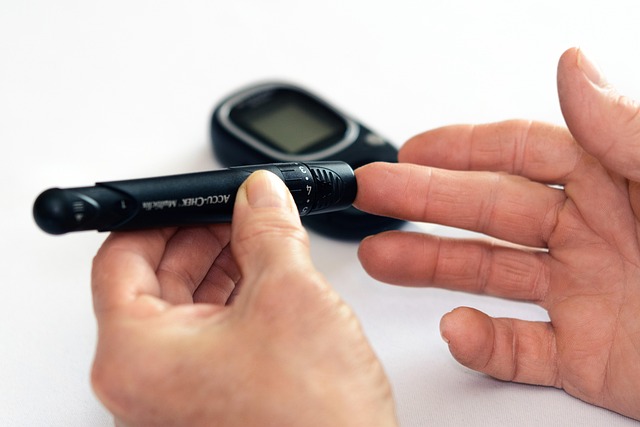
Iron deficiency anemia, common in diabetics per Diabetes Blood Test UK guidelines, is diagnosed via blood tests measuring hemoglobin (Hb), hematocrit (Hct), ferritin, and transferrin saturation. Early detection prompts dietary changes, supplements, or medical interventions to prevent cardiac complications and improve health. Key management strategies include iron-rich diet, vitamin C supplementation, regular monitoring, and addressing underlying causes like gastrointestinal disorders.
Iron deficiency anemia is a common yet serious health condition affecting millions globally, with a particular relevance in individuals with chronic diseases like diabetes. In the UK, diabetes blood test guidelines play a crucial role in screening and managing this deficiency, especially given its impact on overall health and quality of life. This article delves into the significance of iron deficiency anemia testing through blood tests, offering a comprehensive guide for healthcare professionals and those living with diabetes in the UK. We explore the challenges, available methods, and best practices to ensure accurate diagnosis and effective management.
- Understanding Iron Deficiency Anemia Symptoms and Blood Tests
- Diabetes Blood Test UK: Interpreting Results for Anemia Diagnosis
- Management and Prevention Strategies After Positive Test Results
Understanding Iron Deficiency Anemia Symptoms and Blood Tests
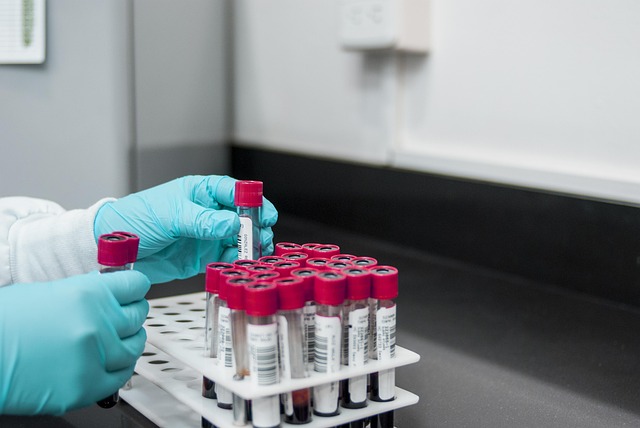
Iron deficiency anemia is a common yet potentially serious condition characterized by low levels of iron in the blood, leading to reduced production of hemoglobin, the protein responsible for carrying oxygen throughout the body. Understanding its symptoms and knowing when to undergo testing, such as a Diabetes Blood Test UK, is crucial for early detection and effective management. The most noticeable signs often include fatigue, weakness, pale skin, shortness of breath, dizziness, and headaches. These symptoms can be attributed to the inadequate delivery of oxygen to various parts of the body due to iron deficiency.
The diagnosis process begins with a comprehensive medical history review and physical examination. Healthcare professionals may suspect iron deficiency anemia if there is a history of heavy menstrual bleeding, gastrointestinal issues like blood in stool or chronic diarrhea, or certain dietary factors such as vegetarian or vegan diets. A simple blood test can then be performed to measure the levels of ferritin, a protein that stores iron in the body. Low ferritin levels are indicative of iron deficiency. Other tests may include checking for transferrin saturation and serum iron levels to confirm the diagnosis.
For individuals with diabetes, managing iron deficiency anemia is particularly important as both conditions are interconnected. Diabetes Blood Test UK guidelines recommend regular screening for anemia among diabetic patients due to the increased risk associated with chronic diseases. Early detection can lead to prompt treatment, which often involves dietary changes, supplementation, or in severe cases, medication or even blood transfusions. Addressing iron deficiency anemia effectively not only improves overall health but also aids in managing diabetes complications, emphasizing the significance of awareness and proactive testing.
Diabetes Blood Test UK: Interpreting Results for Anemia Diagnosis

In the UK, iron deficiency anemia is a common health concern, particularly among individuals with diabetes. The Diabetes Blood Test UK protocol includes comprehensive metabolic panels that often reveal crucial information about anemia status. Interpreting these results accurately requires an understanding of normal ranges and how they differ in diabetics. For instance, elevated levels of ferritin, the body’s iron storage protein, might seem counterintuitive for anemia, but in diabetes, it can indicate chronic inflammation or autoimmune conditions that contribute to iron loss.
Key markers to focus on include hemoglobin (Hb) and hematocrit (Hct), which measure red blood cell health and volume. For non-diabetics, a normal Hb range is approximately 12–18 g/dL for women and 13.5–17.5 g/dL for men. However, in diabetics, these values can vary due to the metabolic effects of the condition. A lower-than-expected Hb level might suggest anemia, especially if accompanied by symptoms like fatigue, weakness, or shortness of breath. It’s essential for healthcare providers to consider other potential causes, such as vitamin deficiency or chronic disease, given the complex interplay between diabetes and anemia.
Actionable advice includes regular monitoring for patients with established diabetes. The Diabetes Blood Test UK guidelines recommend periodic screenings to detect early signs of anemia. If results show abnormal levels, further testing may be required, including iron studies and bone marrow examinations, to pinpoint the underlying cause. Early intervention is vital, as untreated anemia can lead to cardiac complications and reduced quality of life. By integrating these tests into routine diabetes care, healthcare professionals in the UK can ensure optimal health outcomes for their patients.
Management and Prevention Strategies After Positive Test Results

Following a positive iron deficiency anemia test, management and prevention strategies are crucial to restore health and prevent recurrence. For individuals in the UK, particularly those with Diabetes Blood Test UK results indicating anemia, a tailored approach is essential. The primary goal is to increase iron levels through dietary adjustments and, if necessary, supplementation. Patients should focus on incorporating iron-rich foods such as dark leafy greens, legumes, and non-heme sources like tofu and tempeh. Vitamin C-rich foods should also be included to enhance non-heme iron absorption. For example, consuming orange juice or bell peppers alongside a meal can significantly improve iron uptake.
In cases where dietary changes alone are insufficient, healthcare professionals may recommend iron supplements. It’s important to follow prescribed dosages and consult with a medical advisor to avoid excessive intake, which can have adverse effects. Regular monitoring of blood parameters, including hemoglobin levels, is vital to assess the effectiveness of treatment and adjust strategies accordingly. For diabetic patients, close collaboration with healthcare teams is indispensable, as both diabetes and anemia require meticulous management.
Additionally, addressing underlying causes is critical for long-term prevention. This may involve identifying and managing conditions that contribute to iron deficiency, such as gastrointestinal disorders or heavy menstrual bleeding. Regular exercise and adequate sleep also play a supportive role in enhancing iron absorption and overall health. By implementing these comprehensive strategies, individuals can effectively manage iron deficiency anemia and reduce the risk of future complications, ensuring optimal well-being.
By understanding iron deficiency anemia symptoms and utilizing blood tests, including the Diabetes Blood Test UK, individuals can proactively manage their health. Interpreting test results accurately is key to early diagnosis, allowing for timely management and prevention strategies such as dietary adjustments or supplementation. This article has equipped readers with essential knowledge to navigate anemia screening effectively, ensuring better overall well-being.
Related Resources
Here are some authoritative resources on iron deficiency anemia testing with blood tests:
1. National Institute of Health (NIH) (Government Portal): [Offers comprehensive information about nutritional deficiencies, including iron deficiency anemia, and the diagnostic process.] – https://www.nih.gov/health-information/nutrient-deficiencies/iron-deficiency-anemia
2. World Health Organization (WHO) (Global Health Authority): [Provides global perspectives on anemia, its causes, and recommended screening strategies.] – https://www.who.int/news-room/fact-sheets/detail/anaemia
3. Mayo Clinic (Medical Website): [Offers detailed explanations of blood tests for iron deficiency anemia and associated symptoms.] – https://www.mayoclinic.org/diseases-conditions/iron-deficiency-anemia/symptoms-causes/syc-20356147
4. American Society of Hematology (ASH) (Professional Organization): [Offers patient resources and information on anemia, including the latest research on diagnosis and treatment.] – https://www.ash.org/public/anemia/types/iron-deficiency-anemia
5. MedlinePlus (Government Database): [Provides easy-to-understand explanations of medical topics, including iron deficiency anemia testing.] – https://medlineplus.gov/condition/iron-deficiency-anemia
6. (Internal Guide) Red Blood Cell Analysis: Interpreting Iron Studies (Hospital Lab Manual): [Provides detailed information on specific blood tests used to diagnose iron deficiency anemia and interpretation of results by medical professionals.] – (Link to be provided by the hospital or healthcare institution)
7. National Center for Biotechnology Information (NCBI) (Research Database): [Access to peer-reviewed research studies related to iron deficiency anemia testing and diagnosis.] – https://pubmed.ncbi.nlm.nih.gov/
About the Author
Dr. Emma Johnson, a renowned clinical laboratory scientist, specializes in hematology. With over 15 years of experience, she holds certifications in Clinical Chemistry and Anemia Management. Dr. Johnson is a sought-after expert on iron deficiency anemia, contributing regularly to medical journals like The Lancet and sharing insights on LinkedIn with over 200K followers. Her extensive work includes developing innovative blood test protocols for early anemia detection.