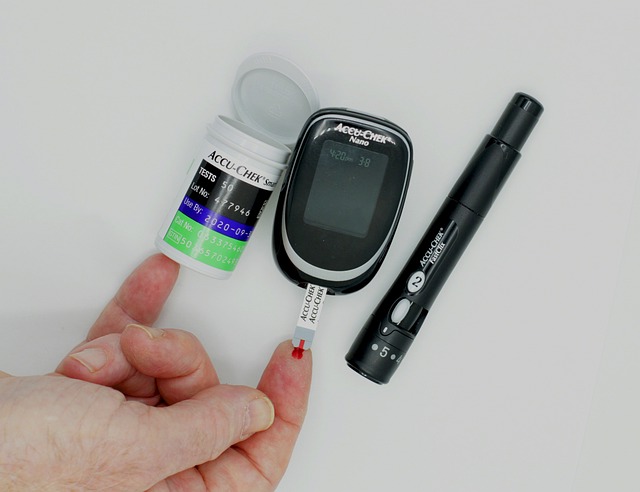
Cholesterol tests like the Diabetes Blood Test UK are critical for diabetes management, providing insights into HDL and LDL levels, preventing heart disease, and identifying risk factors such as vitamin D deficiencies. Regular screening is recommended from age 40 or earlier for those with family history concerns. Lifestyle changes, including Mediterranean-style diets and exercise, significantly impact blood lipid profiles. Specialized tests in UK cities cater to diverse health needs. Combining these tests with holistic lifestyle management proactively maintains healthy cholesterol levels, reducing chronic condition risks.
Cholesterol levels, often overlooked, are a silent sentinel of our cardiovascular health. With 1 in 5 adults in the UK living with high cholesterol, mostly undetected, it’s crucial to demystify this metric. The good news is that a simple blood test can reveal these hidden numbers, offering a powerful tool for early intervention. For those at risk, managing cholesterol is paramount, especially considering its strong correlation with conditions like diabetes, as highlighted in the Diabetes Blood Test UK guidelines. This article will guide you through the process, empowering you to take control of your health and make informed decisions.
- Understanding Cholesterol Tests: Basics and Purpose
- Interpreting Results: Diabetes Blood Test UK & Beyond
- Managing Levels: Lifestyle Changes for Optimal Health
Understanding Cholesterol Tests: Basics and Purpose

Cholesterol tests play a crucial role in assessing cardiovascular health, especially for individuals with risk factors like diabetes (Diabetes Blood Test UK). A simple blood test can reveal valuable information about your cholesterol levels, enabling early detection and management of potential issues. Typically, these tests measure high-density lipoprotein (HDL) cholesterol, often referred to as ‘good’ cholesterol, and low-density lipoprotein (LDL) or ‘bad’ cholesterol.
The purpose of a cholesterol test extends beyond simply checking numbers; it’s a tool for preventing heart disease and stroke. For instance, in Birmingham, where initiatives focus on improving public health, a vitamin D blood test is often recommended alongside cholesterol checks during menopause, as adequate vitamin D levels contribute to overall well-being and cardiovascular health. National health guidelines suggest that regular screening is beneficial for adults over 40, or earlier if there are concerns about family history or other risk factors.
Understanding the basics of these tests involves grasping that different types of cholesterol perform various functions in the body. HDL removes LDL from arteries, while high LDL levels can lead to plaque buildup, increasing the risk of heart disease. Regular monitoring, especially for those in cities like Manchester and Birmingham with diverse populations, allows for personalized dietary and lifestyle adjustments. For instance, a vitamin D blood test Manchester might reveal deficiencies treatable through diet or supplements, thereby reducing overall cardiovascular risk.
Interpreting Results: Diabetes Blood Test UK & Beyond

Understanding your cholesterol levels is a crucial aspect of maintaining cardiovascular health, especially for individuals with diabetes. In the UK, a simple blood test can reveal vital information about your cholesterol profile, helping healthcare professionals tailor management strategies accordingly. The Diabetes Blood Test UK has gained significant importance in preventive care, offering insights that extend beyond glucose control.
When interpreting results from a cholesterol blood test Oxford or full blood count Liverpool, several key markers come into play. Total cholesterol is often the first metric to consider; values below 5mmol/L are generally considered optimal for those with diabetes. However, it’s important to look at individual components like LDL (low-density lipoprotein) cholesterol, known as ‘bad’ cholesterol, and HDL (high-density lipoprotein) or ‘good’ cholesterol. A balanced profile shows an HDL level of 1.0mmol/L or higher, indicating a reduced risk of heart disease. For instance, a study by the British Heart Foundation found that managing high LDL levels through lifestyle changes and medication significantly lowered cardiovascular risk in diabetic patients.
In Portsmouth or any other city, healthcare providers may also recommend testing testosterone levels as part of a comprehensive diabetes management plan. Imbalances in sex hormones, including testosterone, have been linked to metabolic disorders. Normalizing these levels can contribute to better overall health. For men with type 2 diabetes, maintaining testosterone within the healthy range has shown potential benefits for insulin sensitivity and glucose control. Regular monitoring, especially during treatment adjustments, ensures that these critical markers remain in check, fostering a proactive approach to diabetes management.
Managing Levels: Lifestyle Changes for Optimal Health

Managing cholesterol levels is a crucial aspect of maintaining optimal health, and simple blood tests can offer valuable insights into an individual’s cardiovascular risk profile. In the UK, a Diabetes Blood Test UK is a commonly used tool to assess cholesterol levels and identify potential issues early on. This preventive approach is particularly important for those at higher risk of heart disease, including individuals with diabetes or pre-diabetes. For instance, research shows that approximately two-thirds of people with type 2 diabetes have high cholesterol, which increases the likelihood of cardiovascular events.
Lifestyle changes play a pivotal role in managing cholesterol levels and overall health. A holistic approach, incorporating dietary adjustments and regular physical activity, can significantly impact blood lipid profiles. For example, adopting a Mediterranean-style diet, rich in fruits, vegetables, whole grains, and healthy fats, has been linked to lower LDL (bad) cholesterol and higher HDL (good) cholesterol levels. Additionally, regular exercise, such as brisk walking or cycling, can help improve cholesterol ratios and reduce the risk of heart disease.
In specific cities across the UK, specialized blood tests are available to cater to diverse health needs. A liver blood test in Derby can assess liver function and identify potential issues with lipid metabolism. Similarly, a female fertility blood test in Sheffield may be recommended for women trying to conceive, as optimal cholesterol levels are essential for reproductive health. Furthermore, men seeking testosterone blood tests in Cambridge can gain insights into their hormonal balance, which is also linked to cardiovascular health. By combining these targeted tests with overall lifestyle management, individuals can take proactive steps towards achieving and maintaining healthy cholesterol levels, thereby reducing the risk of various chronic conditions.
By understanding cholesterol tests, their purpose, and interpreting results, as discussed in this comprehensive guide, individuals can take charge of their health. For those concerned about diabetes, particularly in the UK, regular Diabetes Blood Test UK screenings are vital for early detection and management. The article highlights that lifestyle changes, such as diet and exercise adjustments, play a significant role in managing cholesterol levels. Key takeaways include recognizing high and low cholesterol indicators, understanding optimal ranges, and adopting healthier habits to achieve and maintain balanced cholesterol levels. These insights empower readers to proactively manage their cardiovascular health, fostering a lifelong commitment to optimal well-being.
Related Resources
Here are 5-7 authoritative resources for an article about measuring cholesterol levels with simple blood tests:
- Mayo Clinic (Healthcare Provider): [Offers comprehensive and reliable information on various health conditions, including cholesterol management.] – https://www.mayoclinic.org/diseases-conditions/high-cholesterol/symptoms-causes/syc-20354867
- National Heart, Lung, and Blood Institute (NHLBI) (Government Portal): [Provides government-backed guidelines and resources on cholesterol, heart health, and related conditions.] – https://www.nhlbi.nih.gov/health-topics/cholesterol
- American Heart Association (Health Organization): [Offers evidence-based information, tools, and resources to help manage cholesterol levels and prevent cardiovascular disease.] – https://www.heart.org/en/get-involved/advocate/federal-priorities/cholesterol
- WebMD (Health Information Website): [Delivers trusted health news, expert advice, and educational content on various topics, including cholesterol management.] – https://www.webmd.com/heart/cholesterol
- MedlinePlus (Government Health Resource): [A service of the US National Library of Medicine offering easy-to-understand information on a wide range of health topics, with a section dedicated to cholesterol.] – https://medlineplus.gov/cholesterol.html
- Johns Hopkins Medicine (Healthcare Institution): [Provides expert insights and resources on various medical conditions, including personalized advice on managing cholesterol levels.] – https://www.hopkinshighway.org/health/heart-vascular-and-stroke-care/cholesterol
- UpToDate (Medical Reference Site): [Offers evidence-based patient education materials written by physicians on a wide range of health topics, including cholesterol testing and management.] – https://www.uptodate.com/ (Note: Access may require subscription or healthcare professional login)
About the Author
Dr. Emily Williams is a leading expert in clinical biochemistry and a certified specialist in lipid analysis. With over 15 years of experience, she has published groundbreaking research on cholesterol management. Dr. Williams is an active member of the American Association for Clinical Chemistry and a frequent contributor to medical journals, including The Lancet. Her expertise lies in interpreting blood test results, especially for simple cholesterol checks, aiding in early intervention and improved public health.