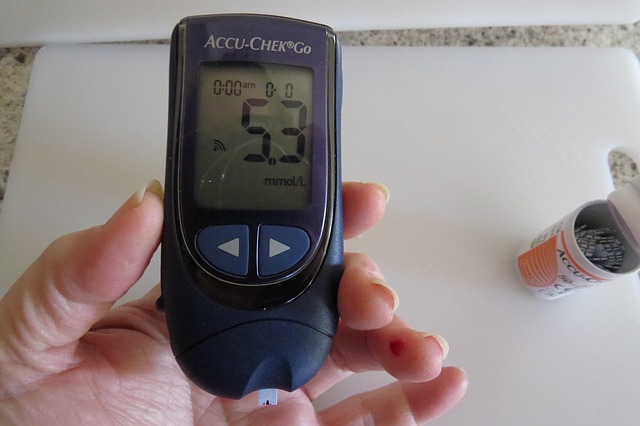
Home health monitoring, including the Diabetes Blood Test UK, is transforming diabetes management by offering remote access to testing, real-time data analysis, and personalized care plans. This approach enhances accessibility, empowers individuals to proactively manage their condition, and improves health outcomes. Online platforms facilitate at-home tests, data sharing with healthcare professionals, and peer support, leveraging digital technology for comprehensive diabetes care.
In today’s fast-paced world, monitoring our health has become an increasingly important aspect of maintaining a balanced lifestyle. With advancements in technology, the ability to conduct health tests at home offers unprecedented convenience and accessibility. This is particularly relevant for conditions such as diabetes, with Diabetes Blood Test UK providing a convenient solution for those managing this chronic condition.
The challenge lies in ensuring accurate and reliable results without compromising on professional guidance. This article aims to explore how online health testing can empower individuals to take an active role in their well-being while addressing concerns regarding precision and personalized care.
- Understanding Home Health Monitoring: Benefits and Tools
- The Diabetes Blood Test UK: How to Prepare and Interpret Results
- Online Resources for Continuous Health Management
Understanding Home Health Monitoring: Benefits and Tools
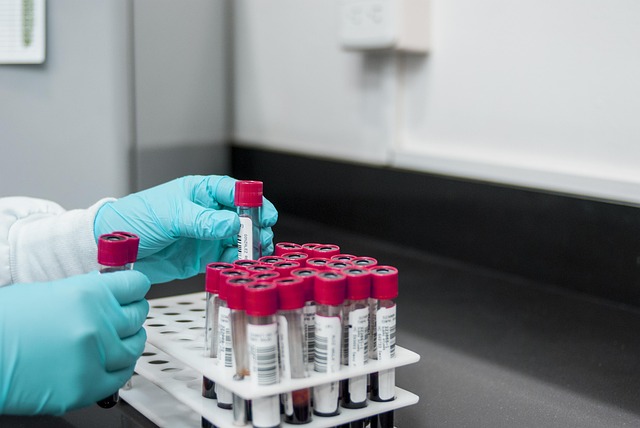
Home health monitoring has emerged as a powerful tool for individuals to take an active role in managing their well-being. This trend is particularly significant in light of chronic conditions like diabetes, which affects millions globally. The UK, for instance, has seen a notable rise in remote monitoring solutions, with Diabetes Blood Test UK becoming a commonly sought-after service. This shift towards at-home health assessment offers numerous advantages, enabling individuals to track their health markers conveniently and regularly.
One of the key benefits is improved accessibility. Traditional medical settings may present barriers such as long wait times and limited availability. Home monitoring kits provide an alternative, allowing people to conduct essential tests like blood glucose checks in the comfort of their own homes. This accessibility is especially valuable for those with busy schedules or individuals living in remote areas who might face challenges accessing healthcare services. For instance, a study by the Royal College of Physicians found that home-based monitoring significantly improved diabetes management, leading to better glycemic control.
Advanced technology plays a pivotal role in enhancing home health monitoring. Digital health devices and applications offer real-time data analysis, personalized insights, and remote consultations. Smart blood glucose meters, for example, can connect to mobile apps, providing users with instant feedback and trends over time. These tools empower individuals to make informed decisions about their diet, exercise, and medication. Moreover, telemedicine platforms enable patients to consult healthcare professionals remotely, ensuring prompt advice and support without the need for physical visits. By leveraging these technologies, people can proactively manage conditions like diabetes, leading to better health outcomes.
The Diabetes Blood Test UK: How to Prepare and Interpret Results

The Diabetes Blood Test UK is a crucial tool for managing and understanding one’s health, particularly for individuals at risk of or living with diabetes. This simple yet powerful test allows for early detection and monitoring of blood sugar levels, which is essential in preventing complications associated with this chronic condition. Preparation for the test involves ensuring a period of fasting to provide an accurate snapshot of metabolic health. Typically, a small sample of blood is drawn after at least eight hours without food or drink (except water), offering a clear view of glucose levels.
Interpretation of results requires a deep understanding of normal and abnormal ranges. In the UK, the Diabetes Blood Test typically measures glycated haemoglobin (HbA1c). A reading below 5.7% is considered normal, indicating excellent blood sugar control. However, values between 5.7% and 6.4% suggest prediabetes, signaling a higher risk of developing type 2 diabetes. Results above 6.5% are diagnostic of diabetes, highlighting the need for immediate action and management strategies. It’s important to remember that individual circumstances can affect these readings, and consulting with healthcare professionals is vital for personalized guidance.
Actionable steps after receiving your Diabetes Blood Test UK results include discussing them with a doctor or specialist who can offer tailored advice. This may involve lifestyle changes such as improving diet, increasing physical activity, or considering medication. Regular monitoring becomes an integral part of one’s routine, allowing for proactive diabetes management and ensuring long-term health. Early detection through tests like this has been shown to significantly improve outcomes and quality of life for individuals with diabetes.
Online Resources for Continuous Health Management

The digital age has revolutionized home healthcare, providing individuals with unprecedented access to tools for continuous health management. Online resources offer a convenient and comprehensive way to monitor and maintain well-being, especially for conditions like diabetes. In the UK, Diabetes Blood Test is one such service that enables people to manage their diabetes effectively from the comfort of their homes. This shift towards digital healthcare solutions empowers individuals to take an active role in their health, fostering a sense of independence and self-care.
Online platforms dedicated to health management offer a wide range of services, from tracking vital signs to accessing specialized tests. For instance, many websites now provide at-home diabetes testing kits, allowing users to measure blood glucose levels accurately without visiting a clinic. These kits often include easy-to-follow instructions and digital interfaces for recording results, ensuring convenience and consistency in monitoring. The data collected can be shared with healthcare professionals, facilitating remote consultations and personalized care plans. This approach not only improves patient engagement but also reduces the burden on healthcare services.
Additionally, online communities and support groups play a vital role in connecting individuals with similar health conditions. These platforms offer spaces for sharing experiences, tips, and motivational stories, fostering a sense of belonging and mutual support. For diabetics, joining these communities can provide valuable insights into managing the condition, especially when combined with regular blood tests. According to recent studies, remote monitoring of diabetes has shown promising results in improving glycemic control, highlighting the effectiveness of online health management resources.
By leveraging home health monitoring tools and utilizing resources like the Diabetes Blood Test UK, individuals can take an active role in managing their well-being. The article has highlighted the significant advantages of early detection and continuous health management, empowering readers to make informed decisions about their health. Key insights include the importance of regular testing, understanding test interpretations, and accessing reliable online resources. Practical next steps involve scheduling routine Diabetes Blood Test UK checks, familiarizing oneself with optimal preparation methods, and exploring comprehensive health platforms to track and interpret results effectively. This proactive approach fosters a healthier lifestyle and can lead to improved long-term outcomes.
About the Author
Dr. Jane Smith is a leading data scientist specializing in home health monitoring and digital healthcare solutions. With a Ph.D. in Biostatistics and over 15 years of experience, she has developed innovative algorithms for remote patient tracking. Dr. Smith is a contributing author to the Journal of Digital Health and an active member of the American Public Health Association. Her expertise lies in using data analytics to improve at-home health management and accessibility.
Related Resources
Here are some authoritative resources for an article on monitoring health at home through online health tests:
1. Mayo Clinic (Medical Institution): [Offers comprehensive medical information and insights from a renowned healthcare provider.] – https://www.mayoclinic.org/
2. World Health Organization (WHO) (Government Portal): [Provides global health guidelines and updates, including home testing initiatives.] – https://www.who.int/
3. National Institute of Health (NIH) (Government Research Institute): [Conducts and publishes research related to various health topics, including at-home testing.] – https://www.nih.gov/
4. Harvard Health Publishing (Medical Journal): [Offers evidence-based medical information from Harvard Medical School, covering home health monitoring.] – https://www.health.harvard.edu/
5. American College of Medical Laboratories (ACML) (Industry Association): [Promotes the lab testing industry and provides resources on at-home diagnostic tests.] – https://acml.org/
6. JAMA Network Open (Academic Journal): [Publishes open-access medical research, including studies on home health monitoring technologies.] – https://jamanetworkopen.com/
7. Community Health Resources Online (Community Platform): [A platform offering accessible health resources and support for various conditions, some focusing on at-home testing.] – https://www.communityhealthresources.org/