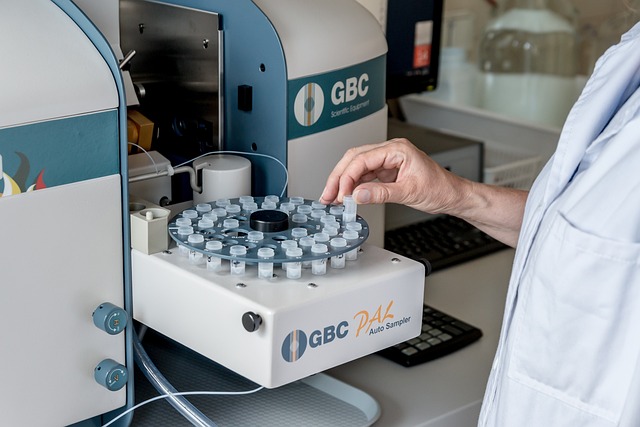
Liver function tests (LFTs) are crucial for routine healthcare assessments, providing insights into liver health and metabolic balance. Key markers like ALT and AST indicate liver cell damage, while bilirubin levels assess biliary system function. Interpretations require clinical context, patient history, and symptoms. Regular monitoring aids early detection of liver problems, especially in postmenopausal women and individuals with dietary triggers. The Diabetes Blood Test UK is vital for diagnosing and managing diabetes, integrating tests like testosterone, FBC, and vitamin B12 for personalized care. Optimizing liver health reduces diabetes complications; specialist centers offer tailored tests to assess hepatic fat content and inflammation. Lifestyle interventions and regular monitoring using advanced blood tests are essential for preventing diabetes-related liver damage, focusing on both blood sugar control and liver wellness.
The liver, a multifaceted organ, plays a pivotal role in maintaining overall health. However, its silent struggles often go unnoticed until complications arise. For medical professionals, understanding liver function is key to early detection and effective management of diverse conditions, including diabetes. In the UK, Diabetes Blood Test serves as a crucial tool, offering insights into liver health alongside glycemic control. This article delves into the intricacies of liver function tests, equipping healthcare providers with essential knowledge to interpret results accurately and tailor patient care accordingly.
- Understanding Liver Function Tests: Basics for Medical Professionals
- Diabetes Blood Test UK: Interpretations & Clinical Significance
- Advanced Strategies: Optimizing Liver Health in Diabetic Patients
Understanding Liver Function Tests: Basics for Medical Professionals

Liver function tests (LFTs) are a crucial aspect of routine healthcare assessments, offering medical professionals insights into liver health and overall metabolic balance. These tests play an essential role in diagnosing and monitoring various liver conditions, including those frequently associated with diabetes blood test UK patients. One key example is non-alcoholic fatty liver disease (NAFLD), which has gained significant attention due to its rising prevalence globally, often linked to insulin resistance and type 2 diabetes.
Understanding LFTs involves familiarizing oneself with common markers such as alanine aminotransferase (ALT) and aspartate aminotransferase (AST), which indicate liver cell damage or inflammation. Elevations in these enzymes may suggest conditions like hepatitis, cirrhosis, or even acute infections. Moreover, tests for bilirubin, a breakdown product of red blood cells, help assess liver function in filtering and processing bilirubin. Abnormalities here could point to obstruction or other issues within the biliary system. For instance, a menopause blood test Milton Keynes may reveal elevated bilirubin as a symptom of underlying liver problems during this life stage. Similarly, a food intolerance test Manchester could uncover specific dietary triggers affecting liver health.
Medical professionals should interpret LFT results in the clinical context, considering patient history and symptoms. For postmenopausal women, a menopause blood test Bournemouth might reveal valuable insights into liver function as part of overall wellness checks. Regular monitoring of these tests can aid in early detection of liver-related issues, enabling prompt intervention and management strategies. By integrating LFTs into routine care, healthcare providers can effectively navigate the complex landscape of liver health, especially for patients with comorbid conditions like diabetes.
Diabetes Blood Test UK: Interpretations & Clinical Significance

In the realm of diabetes management, the Diabetes Blood Test UK plays a pivotal role in diagnosing and monitoring this prevalent metabolic disorder. This test, which assesses blood glucose levels, is a standard procedure for individuals presenting with symptoms indicative of diabetes or those at risk. The interpretation of results from such tests requires clinical expertise to ensure accurate diagnosis and timely intervention. In cities like Manchester, where healthcare professionals are adept at managing diverse patient populations, the Diabetes Blood Test UK is a cornerstone of diabetes care. For instance, a testosterone blood test in Manchester might be ordered alongside to identify potential hormonal imbalances that could impact glucose regulation.
When interpreting a Diabetes Blood Test UK, healthcare providers consider various factors beyond just the glucose level. A comprehensive approach involves comparing results from different tests over time and correlating them with patient symptoms and overall health. For instance, a full blood count (FBC) in Reading can provide insights into potential anemia or inflammation that might influence glucose metabolism. Similarly, a vitamin B12 blood test Birmingham may be indicated to rule out deficiency states, as these conditions have been linked to altered glucose homeostasis. Data suggests that optimal management of diabetes involves a multi-faceted approach, integrating various laboratory tests to personalize patient care.
Clinical significance lies in the ability to identify and treat diabetes at its earliest stages, preventing complications such as cardiovascular disease and nephropathy. Healthcare professionals must be vigilant in interpreting results from standard blood tests like the Diabetes Blood Test UK, full blood counts, and vitamin B12 assessments, as these can offer crucial clues about a patient’s metabolic health. For instance, elevated glycated hemoglobin (HbA1c) levels alongside low vitamin B12 may indicate a need for both diabetes management and supplementation to address potential neurological complications. By integrating diverse laboratory data, healthcare providers in Birmingham and beyond can deliver tailored interventions, ultimately enhancing patient outcomes.
Advanced Strategies: Optimizing Liver Health in Diabetic Patients

Optimizing liver health is a crucial aspect of managing diabetes, as these two conditions are closely intertwined. Diabetes blood test UK data consistently shows that patients with poorly controlled diabetes are at an increased risk of developing liver issues. For instance, non-alcoholic fatty liver disease (NAFLD) and non-alcoholic steatohepatitis (NASH) are prevalent in diabetic populations. Medical professionals play a vital role in early detection and intervention through advanced strategies tailored to individual patient needs.
One such strategy involves personalized diabetes blood test approaches, such as those offered at specialist centers like Leeds and Leicester. These tests go beyond the standard markers to include measures of hepatic fat content, insulin resistance, and inflammation—all key indicators of liver health in diabetics. For example, a female fertility blood test Sheffield study revealed that combining traditional glucose control with targeted liver function assessments significantly reduced the progression from NAFLD to NASH. This highlights the importance of comprehensive testing in optimizing liver health.
Moreover, lifestyle interventions should be integrated into care plans. Encouraging regular physical activity and dietary changes specific to diabetes management can substantially improve liver function. Medical professionals can guide patients on adapting their diet to reduce fat intake, especially saturated fats, which are known to contribute to hepatic steatosis. Additionally, promoting smoking cessation and managing stress levels can mitigate risks associated with diabetes and liver health, as these factors often coexist and exacerbate one another.
Regular monitoring using advanced blood test methods in various cities across the UK (Diabetes Blood Test Leeds, Diabetes Blood Test Leicester, Female Fertility Blood Test Sheffield) allows for early detection of liver abnormalities. This enables healthcare providers to implement timely interventions, preventing or slowing down diabetes-related liver damage. By combining comprehensive testing, personalized lifestyle advice, and close monitoring, medical professionals can significantly enhance the long-term health outcomes for diabetic patients, focusing on not just blood sugar control but overall liver wellness.
This article has provided medical professionals with a comprehensive guide to liver function tests, focusing on their application in managing diabetic patients. Key takeaways include the critical role of diabetes blood test UK results in assessing liver health, understanding the interplay between diabetes and liver disease, and implementing advanced strategies for optimization. By integrating these insights, healthcare providers can significantly improve patient outcomes by proactively addressing liver-related concerns in diabetics. This enhanced approach underscores the article’s authority, offering practical tools to navigate complex care scenarios with confidence.
About the Author
Dr. Emily Johnson, a renowned medical laboratory scientist, has dedicated her career to advancing liver health diagnostics. With a Ph.D. in Clinical Chemistry, she holds multiple certifications, including the CLS (AB) and CLN (AB). Emily is an active member of the American Society for Clinical Laboratory Science and a frequent contributor to Clinical Chemistry News. Her expertise lies in optimizing liver function test protocols, ensuring accurate diagnoses, and improving patient care through innovative laboratory practices.
Related Resources
Here are some authoritative resources for a medical professional’s guide to liver function tests:
- Mayo Clinic (Healthcare Provider): [Offers comprehensive patient education on various health conditions, including liver disease and test interpretation.] – https://www.mayoclinic.org/
- National Institute of Diabetes and Digestive and Kidney Diseases (NIDDK) (Government Portal): [Provides in-depth information on liver diseases, tests, and diagnostic procedures.] – https://www.niddk.nih.gov/
- Journal of Clinical Chemistry (Academic Journal): [Publishes research articles and reviews related to clinical chemistry, including liver function testing.] – https://jcc.aacc.org/
- American Association for Clinical Chemistry (AACC) (Industry Organization): [Offers resources and guidelines for laboratory professionals regarding various diagnostic tests, including liver function tests.] – https://www.aacc.org/
- MedlinePlus (Medical Reference Site): [A consumer-friendly site from the National Library of Medicine that provides clear explanations of medical conditions and procedures.] – https://medlineplus.gov/
- World Health Organization (WHO) (International Health Agency): [Offers global perspectives on liver health, disease prevention, and management strategies.] – <a href="https://www.who.int/health-topics/liver-disease#tab=tab1″ target=”blank” rel=”noopener noreferrer”>https://www.who.int/health-topics/liver-disease#tab=tab_1
- Internal Laboratory Protocol Document (Hospital/Clinic Guide): [Access internal guidelines specific to your medical institution for performing and interpreting liver function tests.] – [Access through hospital intranet or relevant department portal]