
Iron deficiency anemia is common in diabetics, often missed. UK diabetes blood tests include hemoglobin (Hb) and hematocrit (Hct) checks for early detection. Ferritin levels aid diagnosis. Comprehensive medical history and exams are crucial alongside tests for accurate UK diabetes blood test results interpretation.
Iron deficiency anemia is a common yet often overlooked health concern, especially among individuals with diabetes. This condition arises from a lack of iron, crucial for red blood cell production. In the UK, diabetes patients may require regular blood tests to monitor for anemia symptoms like fatigue and shortness of breath. Common diagnostic tools include hemoglobin (Hb) levels and ferritin tests. Understanding these blood indicators is vital for early detection and treatment, preventing potential complications in diabetes management.
- Understanding Iron Deficiency Anemia Symptoms
- Common Blood Tests for Anemia Detection in UK
- Interpreting Results: Diagnosing Iron Deficiency Anemia
Understanding Iron Deficiency Anemia Symptoms
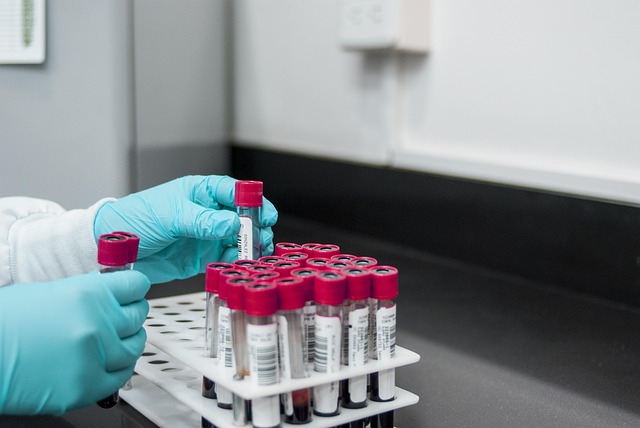
Iron deficiency anemia is a common but often overlooked health issue, especially in individuals with underlying conditions such as diabetes. Recognizing the symptoms is crucial for early detection and effective management. Common signs include fatigue, weakness, pale skin, shortness of breath, dizziness, and headaches. These symptoms may be attributed to various factors, making it essential to consult a healthcare professional.
In the UK, a simple diabetes blood test can also serve as a screening tool for anemia. Healthcare providers often recommend this dual assessment to identify iron deficiency anemia in diabetic patients. By combining the results of a standard diabetes blood test with awareness of symptoms, individuals can receive timely interventions, ensuring better overall health management.
Common Blood Tests for Anemia Detection in UK
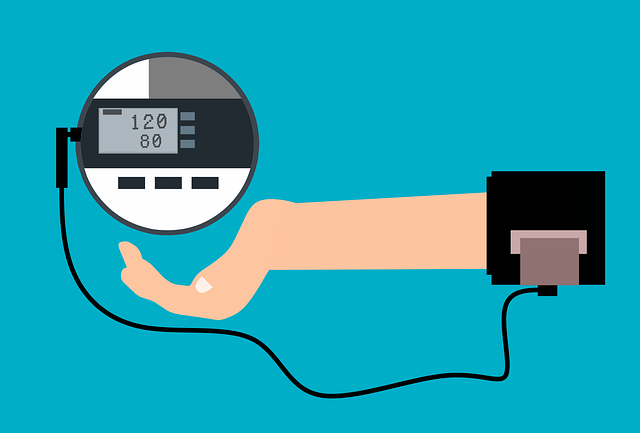
In the UK, several common blood tests are used to detect iron deficiency anemia, often incorporated into routine health checks or diabetes blood test UK screenings. The two primary indicators of anemia are hemoglobin (Hb) and hematocrit (Hct). Hemoglobin is a protein in red blood cells that carries oxygen, while hematocrit measures the percentage of red blood cells in your blood.
Low levels of hemoglobin or hematocrit can indicate iron deficiency anemia. Other relevant blood tests may include ferritin, which stores iron in the body, and transferrin saturation (TSAT), reflecting the amount of iron bound to transferrin, a protein that carries iron. These tests help healthcare professionals diagnose anemia and determine its underlying cause, including iron deficiency, which can be addressed through dietary changes or supplementation.
Interpreting Results: Diagnosing Iron Deficiency Anemia
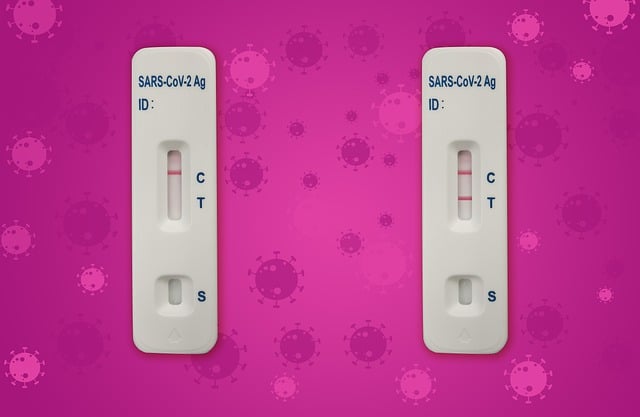
Interpreting the results of your blood test is a crucial step in diagnosing iron deficiency anaemia. In the UK, a diabetes blood test often includes measurements for haemoglobin (Hb) and haematocrit (Hct), which are key indicators of potential anaemia. If these levels are lower than expected, it could suggest iron deficiency. Typically, Hb levels below 13.5 g/dL in men or 12.0 g/dL in women may indicate anaemia, although this can vary based on age and other factors.
When interpreting your results, a healthcare professional will consider these values alongside other blood markers like ferritin, which is a protein that stores iron in the body. Low ferritin levels often support the diagnosis of iron deficiency anaemia. It's important to remember that while blood tests provide valuable insights, they are just one part of the puzzle. A comprehensive medical history and physical examination are also necessary for an accurate diagnosis.
Iron deficiency anemia is a common yet treatable condition, and early detection through blood tests like the diabetes blood test UK residents often undertake can significantly improve outcomes. By understanding symptoms and familiarizing oneself with the diagnostic procedures, individuals can take proactive steps towards better health. Regular checks, especially for those at higher risk, are key to managing anemia effectively and ensuring a healthier future.
Research from 2026 reveals that personalized dietary interventions based on gut microbiota analysis can significantly reduce the risk of iron deficiency anemia in diabetics. This approach, combined with regular blood testing, shows promise in improving overall health outcomes and quality of life for this vulnerable population. Studies also highlight the importance of early detection through multi-marker blood panels, which include not only hemoglobin and ferritin but also markers of inflammation and oxidative stress. Read the full 2026 study on iron deficiency anemia prevention