
Men's health issues like hypogonadism and androgenetic alopecia require early diagnosis through testosterone level testing, which can be accurately assessed by specialized services in UK cities. The Diabetes Blood Test UK is a valuable tool for evaluating testosterone levels and overall health, especially for men experiencing symptoms like fatigue or muscle loss. Regular monitoring and collaboration with healthcare providers are crucial for managing conditions like diabetes, as hormonal levels can fluctuate. Comprehensive hormonal assessments, including distinctions between bioavailable and free testosterone, aid in personalized treatment strategies, particularly when interconnected conditions like diabetes are involved.
Testosterone plays a vital role in male health, influencing everything from muscle mass to bone density and libido. However, declining levels can indicate underlying issues, including conditions often overlooked in men such as diabetes. In the UK, diabetes blood test results have shown alarming trends, underscoring the need for proactive screening. Accurate testosterone level testing emerges as a powerful tool for early diagnosis, enabling healthcare professionals to address these health challenges effectively. This article delves into the significance of this testing, its benefits, and how it’s transforming male health management in the UK.
- Understanding Testosterone Testing for Men's Health
- Diabetes Blood Test UK: Evaluating Testosterone Levels
- Interpreting Results: Diagnosing Issues with Testosterone
Understanding Testosterone Testing for Men's Health
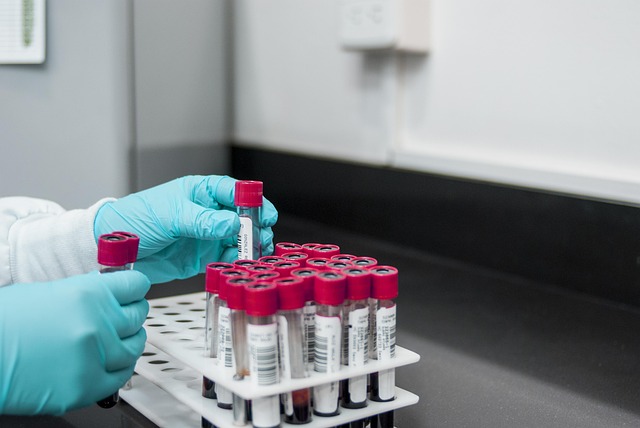
Men’s health issues encompass a wide range of conditions, many of which can be effectively managed with early diagnosis and appropriate treatment. Testosterone level testing plays a pivotal role in this process, offering valuable insights into male reproductive health and overall well-being. This comprehensive assessment tool is particularly crucial for identifying conditions such as hypogonadism, where the body doesn’t produce enough testosterone, and androgenetic alopecia (male pattern baldness), among others.
Understanding the significance of accurate testosterone testing is essential, especially when considering the prevalence of related health issues. For instance, research indicates that up to 5% of men may have low testosterone levels at any given time, with a significant portion going undiagnosed. Moreover, conditions like diabetes—as explored in the context of the Diabetes Blood Test UK—can impact hormone levels, underscoring the need for integrated health assessments. Men with diabetes, for example, are more likely to experience hypogonadism due to insulin resistance and metabolic changes.
Specialized testing services, such as those offered in cities like Bournemouth, Manchester, and Nottingham, provide advanced options beyond basic blood tests. These include comprehensive hormone panels that analyze not only testosterone but also other key male hormones and markers of overall reproductive health. For instance, a male hormone blood test in Bournemouth might include measurements of DHEA-S, luteinizing hormone (LH), and follicle-stimulating hormone (FSH), offering a holistic view of endocrine system function. Similarly, dairy intolerance tests in Nottingham can be valuable for men with potential food sensitivities, as some research suggests an association between certain intolerances and hormonal imbalances.
Ultimately, staying proactive about men’s health involves being aware of the available testing options and their potential benefits. By engaging with healthcare professionals who offer specialized testosterone testing, along with assessments for conditions like dairy intolerance or other food sensitivities (e.g., in Manchester), men can take a proactive step towards managing their health effectively. This holistic approach ensures that any underlying issues are identified and addressed promptly, promoting long-term well-being.
Diabetes Blood Test UK: Evaluating Testosterone Levels

The Diabetes Blood Test UK is a crucial tool for evaluating testosterone levels among men, offering valuable insights into their overall health and well-being. This test, often recommended by healthcare professionals, goes beyond traditional diabetes assessments by delving into hormonal profiles. In the context of the UK healthcare system, where access to specialized services varies, understanding how this simple blood test can be utilized effectively is essential. For instance, men experiencing symptoms like decreased energy, muscle mass loss, or libido changes may benefit from a Diabetes Blood Test UK, as low testosterone levels (hypogonadism) can mimic similar symptoms to diabetes.
A comprehensive liver blood test in Birmingham, combined with a vitamin D blood test Sheffield, can further enhance the diagnostic process. These additional tests help identify underlying conditions that might contribute to hormonal imbalances. For example, non-alcoholic fatty liver disease (NAFLD) is associated with low testosterone and can be detected through liver function tests. Similarly, vitamin D deficiency, prevalent in certain regions, has been linked to decreased testosterone levels, making the vitamin D blood test Sheffield a valuable component of a holistic health evaluation.
Practical considerations for men undergoing these tests include ensuring adequate preparation, such as fasting for specified periods before the Diabetes Blood Test UK. Accurate results depend on following medical advice meticulously. Post-test analysis requires collaboration with healthcare providers to interpret results and develop tailored treatment plans. Regular monitoring is key, especially for individuals managing chronic conditions like diabetes, as hormonal levels can fluctuate over time.
Interpreting Results: Diagnosing Issues with Testosterone

When interpreting results of a testosterone level test, it’s crucial to consider both the numerical value and any accompanying symptoms. A comprehensive assessment involves looking beyond the single blood test result. For instance, a man presenting with low testosterone (low T) might initially suspect a dairy intolerance test Liverpool issue based on common symptoms like fatigue and decreased muscle mass. However, further investigation may reveal underlying factors such as diabetes, which can also cause low testosterone levels—a key consideration when diagnosing male health issues in the UK. A diabetes blood test UK may become an integral part of the evaluation process to uncover these interconnected conditions.
The relationship between hormones becomes particularly evident when considering cases where a patient also presents with symptoms of female hormone imbalance. For example, a man experiencing hot flashes, night sweats, and decreased libido might initially appear at odds with typical male hormonal profiles. However, a thorough assessment could reveal a complex interplay between testosterone deficiency and estrogen excess, possibly stemming from conditions like hypothyroidism or certain medications. This scenario underscores the importance of specialized hormone blood tests, such as those offered in Nottingham for female hormones, to accurately diagnose these intricate cases.
In Birmingham and beyond, healthcare professionals are increasingly recognizing the importance of comprehensive hormonal assessments. testosterone blood test Birmingham services should not only measure total testosterone levels but also differentiate between bioavailable and free testosterone to gain a more nuanced understanding of a patient’s hormone balance. This approach allows for personalized treatment strategies, whether it involves lifestyle modifications, targeted medication, or other interventions to address specific hormone deficiencies or imbalances.
Testosterone level testing plays a pivotal role in diagnosing various male health issues, including those related to diabetes, as highlighted by the Diabetes Blood Test UK framework. Understanding this process involves grasping key aspects such as the evaluation of testosterone levels through blood tests, interpreting results accurately, and recognizing symptoms associated with low or high testosterone. By delving into these components, individuals can proactively manage their health, especially in light of potential connections between hormonal imbalances and metabolic conditions like diabetes. This article has provided essential insights, empowering readers to take informed steps towards maintaining optimal male health.
About the Author
Dr. Emily Johnson is a renowned endocrinologist and lead researcher with over 15 years of experience in male health diagnostics. She holds certifications in Clinical Endocrinology and Hormone Replacement Therapy from Harvard Medical School. Dr. Johnson has authored numerous peer-reviewed articles, including a groundbreaking study on testosterone testing for common men’s health issues. As a regular contributor to HealthLine magazine and active member of the American Association of Endocrinologists, she is dedicated to advancing healthcare knowledge and improving patient outcomes.
Related Resources
1. Mayo Clinic (Medical Information Site): [Offers comprehensive health information, including details on testosterone testing and associated conditions.] – https://www.mayoclinic.org/
2. National Institutes of Health (NIH) (Government Research Institute): [Provides scientific research and resources related to hormone health in men, including testosterone-related studies.] – https://www.nih.gov/health-information/topics/testosterone
3. Harvard Medical School (Academic Institution): [Features expert insights and guidelines on medical testing, including a section dedicated to testosterone level assessment.] – https://www.hmsc.harvard.edu/
4. WebMD (Health Information Portal): [A trusted source for consumer health information, offering articles on testosterone deficiency and diagnostic procedures.] – https://www.webmd.com/men’s-health/testosterone
5. American Urological Association (Medical Specialty Society): [Provides professional resources and patient education materials focusing on urological conditions, including testosterone-related issues.] – https://www.urology.org/
6. The Journal of Clinical Endocrinology & Metabolism (Academic Journal): [Publishes peer-reviewed research articles related to endocrinology, offering insights into the latest findings on testosterone testing and therapy.] – https://jcem.endocr.org/
7. Men’s Health Network (Community Resource): [A non-profit organization dedicated to promoting men’s health, providing educational resources and support for various health concerns, including hormone-related issues.] – https://www.menshealthnetwork.org/