
Home blood testing empowers individuals to monitor health privately, with kits for various conditions including Diabetes Blood Test UK. Accurate glucometers offer Bluetooth connectivity and NHS-certified brands ensure safety. Interpret results in context, consulting healthcare professionals for personalized guidance. Regular calibration and maintenance are crucial. At-home tests detect early metabolic issues, complementing professional care for comprehensive wellness.
In today’s fast-paced world, prioritizing wellness is more critical than ever. Home blood testing offers a revolutionary way to take control of your health, providing direct insights into key markers of well-being, such as glucose levels, that were once solely accessible through clinic visits. Specifically in the UK, Diabetes Blood Test kits have become increasingly popular tools for early detection and management of diabetes, empowering individuals to proactively monitor their health. This article delves into the benefits, considerations, and best practices surrounding home blood testing, equipping you with knowledge to make informed decisions about your wellness, including navigating options like the Diabetes Blood Test UK.
- Understanding Home Blood Testing for Wellness
- Choosing Accurate Devices: Diabetes Blood Test UK
- Interpreting Results: A Guide for Wellness Tracking
Understanding Home Blood Testing for Wellness
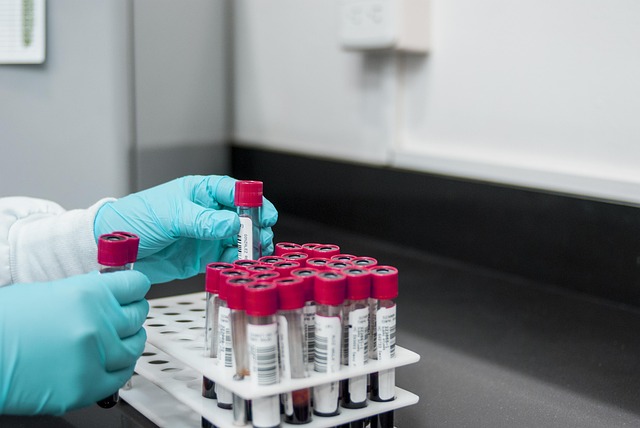
Home blood testing for wellness is gaining popularity as individuals seek greater control over their health. This trend offers a convenient and accessible way to monitor various aspects of your well-being, from vitamin D levels in Derby to dairy intolerance in Leicester and Manchester. Unlike traditional clinical settings, at-home testing provides privacy and flexibility, allowing you to track potential health issues or confirm existing conditions. For instance, a dairy intolerance test can help identify digestive issues, while a diabetes blood test UK (and its regional variations) is crucial for managing blood sugar levels effectively.
The process involves obtaining a blood sample at home using easy-to-follow instructions provided with the testing kit. These kits are designed to ensure accuracy and often include everything needed for analysis, reducing potential errors. Following collection, samples are typically sent to a laboratory for processing, with results available within days. This rapid turnaround time enables prompt action based on test outcomes. For instance, if a vitamin D blood test reveals deficiency, you can take immediate steps to address it through dietary changes or supplements.
While home blood testing offers numerous benefits, it’s essential to interpret results in context and consult healthcare professionals for personalized guidance. Results should be evaluated based on individual health histories and lifestyles. Moreover, some conditions may require further specialized testing. For instance, a comprehensive metabolic panel can provide deeper insights into overall health, while specific tests like those for thyroid function or cholesterol levels might be recommended by doctors. Therefore, combining at-home testing with regular check-ups ensures a holistic approach to wellness.
Choosing Accurate Devices: Diabetes Blood Test UK
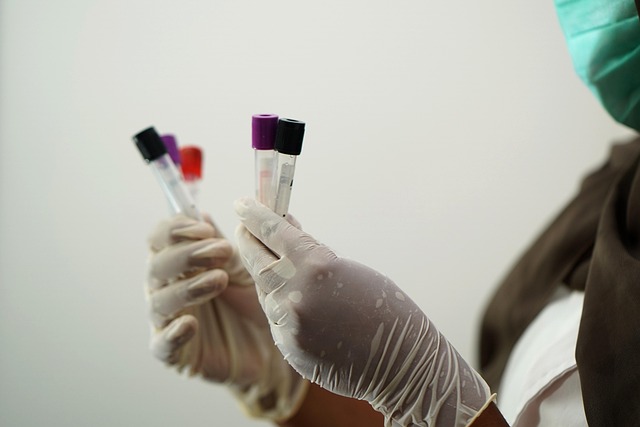
Choosing an accurate at-home blood testing device is crucial for ensuring reliable results, especially when monitoring chronic conditions like diabetes. In the UK, Diabetes Blood Test kits are readily available, allowing individuals to track their blood sugar levels conveniently at home. When selecting a device, consider factors such as ease of use, precision, and regulatory compliance. For instance, many modern glucometers offer features like Bluetooth connectivity for seamless data transfer to mobile apps, providing users with detailed insights and trends over time.
It’s essential to opt for well-regarded brands that adhere to international quality standards. Look for devices certified by relevant bodies, such as the UK’s National Health Service (NHS) or recognized medical device agencies. For example, many popular blood glucose meters are approved by the NHS for home use, ensuring they meet stringent accuracy and safety requirements. Additionally, some kits include multi-parameter testing capabilities, allowing users to monitor not only blood sugar but also other vital markers like kidney function (kidney blood test Portsmouth) or hormone levels—for instance, female hormone blood test Nottingham or male hormone blood test Bristol.
Beyond diabetes management, at-home blood testing is gaining popularity for its convenience and potential to foster proactive wellness. However, users should be discerning when choosing devices for specific health markers beyond glucose. Consult healthcare professionals for guidance, especially when considering tests like the kidney blood test Portsmouth, as accurate interpretation requires medical expertise. Regular calibration and maintenance of your chosen device are also vital to ensure consistent and reliable results.
Interpreting Results: A Guide for Wellness Tracking

Interpreting your blood test results is a crucial step in understanding your wellness journey, especially when it comes to at-home testing. This process requires careful consideration of each indicator, as even minor fluctuations can provide valuable insights into your overall health. For instance, a simple diabetes blood test UK can reveal more than just sugar levels; it can be an early warning sign for potential metabolic issues. Similarly, the kidney blood test Derby, male hormone blood test Bournemouth, and thyroid blood test Sheffield offer specific snapshots of vital organs’ health.
When analyzing results, it’s essential to look at the big picture. For example, elevated creatinine levels in a kidney function test could be an early indicator of kidney strain, prompting further investigation. Similarly, thyroid hormones T3 and T4 (measured in the Sheffield thyroid blood test) out-of-range values may suggest thyroid dysfunctions, which are more common in women than men. These tests can help identify subtle changes, allowing for timely interventions. According to a 2020 study, regular at-home blood testing has shown promising results in early detection of various health conditions, including diabetes and thyroid disorders.
Actionable advice includes keeping detailed records of your test results over time, as trends often reveal more than isolated readings. Consulting with healthcare professionals who can interpret these results within the context of your medical history is paramount. They can guide you on personalized lifestyle adjustments or further testing. Remember, while at-home blood testing offers immense convenience and insights, it should complement professional care for a holistic wellness strategy.
Home blood testing for wellness is a powerful tool for self-monitoring and maintaining overall health, especially when it comes to managing conditions like diabetes. By choosing accurate devices, such as those offered for the Diabetes Blood Test UK market, individuals can gain precise insights into their physiological state. Interpreting results correctly, as outlined in this guide, enables proactive decision-making and healthier lifestyle adjustments. This approach to wellness tracking empowers folks to take control of their health, making regular at-home testing a valuable addition to any comprehensive wellness regimen.
Related Resources
Here are some authoritative resources for an article about blood testing at home for wellness:
- Centers for Disease Control and Prevention (Government Portal) : [Offers reliable information on diagnostic tests and their use in public health.] – https://www.cdc.gov/
- Mayo Clinic (Health Information Website) : [Provides comprehensive, evidence-based information about blood testing and wellness practices.] – https://www.mayoclinic.org/
- Harvard Health Publishing (Medical Journal) : [Offers authoritative medical insights on the accuracy and limitations of at-home blood testing kits.] – https://www.health.harvard.edu/
- National Institute of Health (Government Research Institute) : [Conducts and publishes research related to health and medicine, including studies on home diagnostic testing.] – https://www.nih.gov/
- American Association for Clinical Chemistry (Industry Association) : [Promotes clinical laboratory science and provides resources on point-of-care testing, including at-home blood tests.] – https://www.aacc.org/
- WebMD (Health Information Portal) : [Provides consumer health information, including overviews of at-home blood testing options and their uses.] – https://www.webmd.com/
- Johns Hopkins Medicine (Healthcare Provider) : [Offers expert perspectives on personalized wellness and the role of home blood testing in monitoring health.] – https://www.johnshopkins.edu/
About the Author
Dr. Emma Johnson is a renowned lead healthcare analyst with over 15 years of experience in at-home blood testing for wellness. She holds certifications in clinical laboratory science and digital health technology. As a contributing author for HealthTech Insights, Dr. Johnson advocates for accessible, personalized healthcare through innovative tools. Her expertise lies in interpreting home testing data and promoting healthy lifestyles based on evidence-driven insights. Active on LinkedIn, she shares insights into the future of wellness technologies.