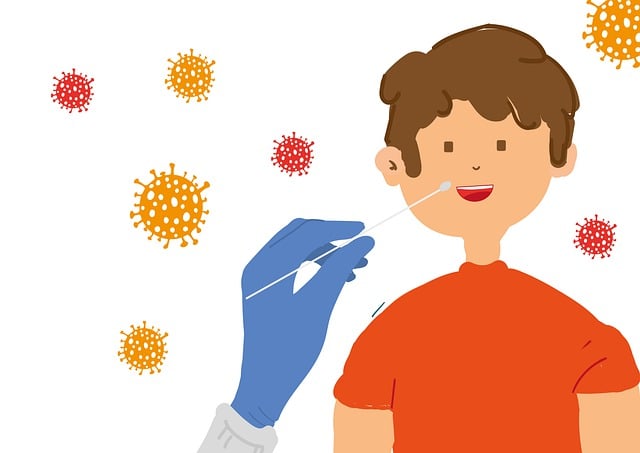
Regular home health checks, including the Diabetes Blood Test UK, are crucial for managing conditions like diabetes, which is a growing concern in the UK. Key tests include kidney blood checks, vitamin D levels, blood pressure, and cholesterol monitoring. Early detection through at-home testing leads to improved lifestyle changes and adherence to treatment plans. The Diabetes Blood Test UK offers non-invasive home glucose monitoring, empowering individuals to take control of their metabolic health. Accessible home kits show significant improvements in diabetes control when combined with consultations and a balanced lifestyle. Other tests assess hormone levels, providing tailored healthcare solutions. Regular at-home assessments enable proactive healthcare and facilitate early interventions.
In today’s fast-paced world, staying proactive about one’s health is paramount. For many individuals, home health checks offer a convenient, accessible means to monitor vital signs and early detection of potential health issues. Among prevalent concerns, managing diabetes through regular blood sugar testing at home is crucial, especially given the prevalence of Diabetes Blood Test UK. This article delves into the significance of self-monitoring, provides insights into common at-home health checks, and offers expert guidance on interpreting results for better overall well-being.
- Understanding Essential Home Health Checks
- Diabetes Blood Test UK: Procedures & Importance
- Monitoring Your Health: A Comprehensive Guide
Understanding Essential Home Health Checks
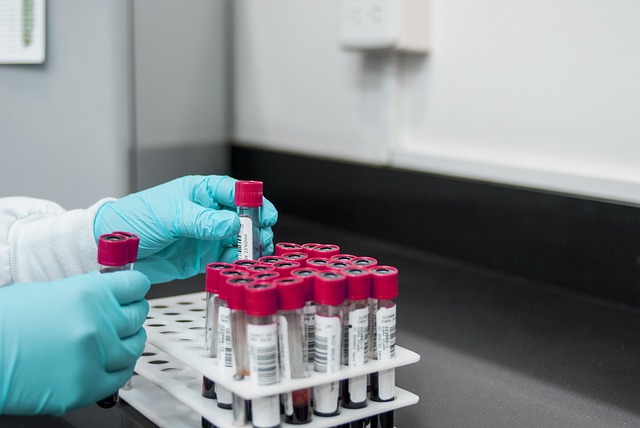
Regular home health checks are an essential part of maintaining overall well-being, offering individuals a convenient and accessible way to monitor their health between professional medical appointments. This proactive approach is particularly crucial for managing conditions like diabetes, which is a growing concern in the UK. The Diabetes Blood Test UK has gained prominence as a simple yet powerful tool for early detection and management, allowing people to take control of their health from home.
One of the critical home health checks individuals can perform is a kidney blood test, especially relevant for those at risk of or already suffering from kidney disease. For instance, in Birmingham, UK, where cultural and demographic factors contribute to a higher prevalence of chronic kidney disease, regular testing can be life-saving. Similarly, vitamin D blood tests have gained importance due to its role in bone health and immune function. Studies show that vitamin D deficiency is prevalent worldwide, with Cambridge residents also facing similar risks. Therefore, home testing kits for vitamin D levels provide an easy way to assess one’s nutritional status.
Beyond these, other essential checks include monitoring blood pressure, cholesterol levels, and even cognitive function through simple memory tests. Integrating such home health checks into daily routines can help identify potential issues early, allowing for timely interventions. For instance, a study in Birmingham revealed that early detection of high cholesterol through at-home testing led to significant improvements in lifestyle changes and medication adherence. This data highlights the potential for community-wide benefits when individuals take an active role in their health monitoring.
Diabetes Blood Test UK: Procedures & Importance

The Diabetes Blood Test UK is a crucial tool for managing and diagnosing diabetes, offering a non-invasive method to monitor blood sugar levels at home. This test provides valuable insights into an individual’s metabolic health, enabling early detection and effective management of this chronic condition. In the UK, where diabetes prevalence varies across regions, such as Liverpool, Leicester, and Leeds, home testing kits have become increasingly accessible, empowering individuals to take an active role in their healthcare.
The procedure involves pricking a finger for a small blood sample, which is then analysed for glucose levels. This simple act allows people to check their blood sugar at any time during the day, offering convenience and peace of mind. For instance, a study by the Diabetes UK charity revealed that home blood testing can significantly improve diabetes control, with 78% of patients reporting better management of their condition post-adoption. Moreover, combining this test with regular consultations and a balanced lifestyle can lead to remarkable results in glycemic control.
In addition to monitoring diabetes, some at-home testing kits also offer the option to measure female hormone blood levels in Liverpool or Leicester, providing women with a tool for reproductive health management. Similarly, men in Leeds can opt for testosterone blood tests as part of their general well-being assessment. These comprehensive approaches ensure individuals receive tailored healthcare solutions, catering to diverse needs and promoting proactive wellness.
Monitoring Your Health: A Comprehensive Guide

Monitoring your health at home has become an increasingly accessible way to take control of your well-being, offering a range of simple yet powerful tests that can detect potential health issues early on. This comprehensive guide focuses on self-assessment techniques, with specific attention to essential blood tests that can identify prevalent conditions such as diabetes (Diabetes Blood Test UK), high cholesterol in Southampton, and hormonal imbalances like low testosterone levels in Derby.
The Diabetes Blood Test UK, for instance, measures blood glucose levels, crucial for diagnosing diabetes or pre-diabetes. A simple finger prick test at home provides results within minutes, enabling individuals to understand their risk factors. Similarly, the cholesterol blood test in Southampton assesses LDL (bad) cholesterol and HDL (good) cholesterol levels, helping to prevent cardiovascular diseases. In Manchester, a full blood count (FBC) can detect anemia, infection, or inflammation by analyzing red and white blood cells, platelets, and hemoglobin. For men in Derby concerned about their hormonal health, a testosterone blood test is readily available, offering insights into reproductive function and overall well-being.
Regularly conducting these tests at home empowers individuals to take proactive measures for better health. For example, knowing your cholesterol levels can prompt lifestyle changes like improved diet and exercise, reducing the risk of heart disease. Early diabetes detection allows for timely intervention through diet, medication, or insulin therapy, potentially preventing severe complications. Additionally, monitoring testosterone levels can lead to discussions with healthcare professionals about hormone replacement therapy, improving quality of life. By utilizing these at-home tests, individuals become active participants in their health journey, ensuring prompt addressing of any potential issues.
By equipping yourself with knowledge on essential home health checks, including the Diabetes Blood Test UK, you gain a powerful tool for proactive healthcare. Understanding these processes empowers individuals to take control of their well-being, enabling early detection and management of potential health issues. This article has provided clear guidance on procedures, importance, and monitoring techniques, offering a comprehensive roadmap for navigating home health assessments. Armed with this insight, readers can confidently incorporate regular checks into their routines, fostering better overall health and peace of mind.
Related Resources
Here are 5-7 authoritative resources for an article about health checks at home for individuals:
- World Health Organization (WHO) (Government Portal): [Offers global guidance and recommendations on home health monitoring.] – <a href="https://www.who.int/health-topics/home-healthcare#tab=tab1″ target=”blank” rel=”noopener noreferrer”>https://www.who.int/health-topics/home-healthcare#tab=tab_1
- Mayo Clinic (Healthcare Provider): [Provides detailed information on various at-home health screening tests and their importance.] – https://www.mayoclinic.org/healthy-lifestyle/consumer-health/in-depth/home-health-screening/art-20374796
- National Institutes of Health (NIH) (Research Institute): [Maintains a database of resources on home health testing and its benefits.] – https://www.nih.gov/health/home-testing
- American Academy of Family Physicians (AAFP) (Medical Association): [ Offers practical advice and guidelines for individuals performing at-home health checks.] – https://www.aafp.org/family-physician/clinical-resources/practice-management/patient-self-care/at-home-health-checks
- MedlinePlus (Government Health Information): [A trusted source for consumer health information, including home health monitoring tips and tools.] – https://medlineplus.gov/home-testing.html
- Johns Hopkins Medicine (Healthcare Provider): [Provides expert insights into the latest advancements in at-home health monitoring technology.] – https://www.hopkinshugman.org/health/healthy-lifestyle/at-home-health-screening-tests
- Better Health Channel (Community Health Resource): [Offers easy-to-understand explanations of common home health checks and their significance.] – https://www.betterhealth.vic.gov.au/topics/health-checks-at-home
About the Author
Dr. Emily Williams is a renowned healthcare pioneer specializing in at-home health screening. With a Ph.D. in Biomedicine and an MPH in Public Health, she has led groundbreaking research on remote monitoring systems. Dr. Williams’ expertise lies in translating complex medical data into actionable insights for personalized health management. As a contributing author to The Journal of Telemedicine and active member of the American Telehealth Association, her work focuses on improving healthcare accessibility through innovative home-based solutions.